
Trump Implements 15% Tariff on Semiconductor Materials Against Chinese Competition
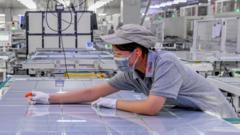
Trump Administration Introduces Strategic 15% Tariff on Semiconductor Materials
In a significant move to reinforce domestic semiconductor competitiveness, the Trump administration has unveiled a 15% tariff on essential chip materials, marking another escalation in trade tensions between the United States and China. This protective measure represents a deliberate effort to safeguard American semiconductor manufacturers who are confronting mounting competitive pressures from China's rapidly advancing chip sector.
Strategic Objectives Behind the Tariff Implementation
The introduction of the 15% tariff on chip materials reflects a broader commitment to fortifying the US semiconductor industry against foreign market challenges. By implementing these trade barriers, policymakers aim to create favorable conditions for domestic producers to expand their market share and technological capabilities without direct competition from cost-advantaged Chinese manufacturers.
The tariff structure specifically targets materials essential to the production of advanced semiconductors, including rare earth elements and specialized chemical compounds used in chip fabrication. This targeted approach ensures that American chipmakers receive tangible support while the broader supply chain remains functional for domestic operations.
Impact on US Semiconductor Manufacturers
American semiconductor companies stand to benefit substantially from this protective tariff regime. The 15% duty creates a price advantage for domestically-produced chip materials compared to Chinese imports, potentially encouraging more chip manufacturers to source materials from American suppliers rather than seeking cheaper alternatives abroad.
Domestic semiconductor firms face considerable challenges competing with Chinese counterparts that benefit from government subsidies and lower labor costs. The tariff implementation effectively levels the playing field by increasing the cost of importing raw materials from China, thereby making in-house production and domestic sourcing more economically attractive.
Broader Implications for the Semiconductor Industry
This tariff decision carries significant ramifications for the entire semiconductor supply chain. Equipment manufacturers, material suppliers, and chip producers all stand to experience shifts in their competitive dynamics. Companies that have previously relied on Chinese material imports will need to reassess their sourcing strategies and potentially negotiate new supplier relationships.
The move also signals continued emphasis on reshoring critical semiconductor manufacturing capabilities to American soil. By making imported materials more expensive, the policy incentivizes investment in domestic production facilities and supply chain development within the United States.
Response to China's Growing Technological Advancement
China's semiconductor industry has experienced remarkable growth over the past decade, investing heavily in research and development while building manufacturing capacity. The Chinese chip sector increasingly challenges American market dominance, particularly in memory chips and specialized semiconductors. Trump's 15% tariff represents a direct counter-strategy to this competitive threat.
By raising import costs on chip materials, American policymakers hope to slow Chinese market expansion while simultaneously accelerating domestic innovation and production. This dual approach combines defensive protectionism with strategies designed to strengthen long-term American technological leadership.
Economic Considerations and Industry Adjustments
While the tariff aims to support American semiconductor makers, questions remain regarding potential economic consequences. Higher material costs could increase production expenses for some manufacturers, potentially translating into higher consumer prices for electronics and technology products containing semiconductors.
Industry analysts must carefully monitor how companies adjust to these new tariff structures. Some manufacturers may absorb increased costs as part of their competitive strategy, while others might pass expenses to consumers or seek alternative suppliers outside the tariffed category.
Strategic Positioning in Global Tech Competition
The 15% tariff on chip materials exemplifies broader technological nationalism policies aimed at protecting American industrial capabilities. As competition intensifies between the United States and China across numerous technology sectors, such tariff mechanisms serve as critical policy tools for maintaining American competitiveness and strategic autonomy in essential industries.
This semiconductor tariff initiative complements other policy measures designed to strengthen domestic technological leadership, including research funding initiatives and manufacturing incentive programs aimed at attracting chip production facilities to American territory.


