Trump Backs United Ireland Vision During Republic Visit
Trump's Surprising Stance on United Ireland
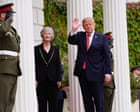
During a significant diplomatic visit to the Republic of Ireland, US President Donald Trump expressed strong support for the concept of a united Ireland, declaring he would "love" to see the island unified. This unexpected endorsement of Irish unification emerged during the opening day of his two-day engagement in the country, marking a noteworthy intervention in a deeply sensitive political matter that has long divided opinion across the island and internationally.
The US leader's comments regarding a united Ireland were made with apparent spontaneity, suggesting that unification appears inevitable and therefore "may as well happen now." This straightforward assertion touched upon constitutional matters that remain contentious between the Irish government, the UK administration, and various political factions within Northern Ireland, particularly among unionist communities who have traditionally opposed reunification efforts.
International Reactions and Political Implications
The Trump administration's unexpected backing of Irish unification immediately prompted sharp responses from UK government officials and prominent Northern Ireland unionist leaders. These responses reflected deep concern about a foreign head of state appearing to endorse fundamental constitutional changes affecting the United Kingdom's territorial integrity and the existing political arrangements established under international agreements.
British government representatives quickly distanced themselves from Trump's remarks, reaffirming commitments to the Good Friday Agreement framework and the principle that any constitutional changes regarding Ireland's status would require democratic consent from Northern Ireland's population through a referendum. This measured but firm response underscored the sensitivity surrounding interventions from external actors regarding matters of British and Irish sovereignty.
The Context of Trump's Visit to Ireland
Trump's two-day visit to the Republic of Ireland provided the platform for these significant statements about Irish unification. The presidential tour represented an important moment in US-Irish relations, offering opportunities for diplomatic engagement while also presenting unexpected openings for commentary on regional political questions. The timing and nature of the remarks demonstrated how major international figures can quickly shift discourse around long-standing political questions.
The president's apparent willingness to comment on the united Ireland question reflected broader international attention to developments within the island of Ireland. While external powers traditionally exercise caution regarding such sensitive constitutional matters, Trump's directness exemplified his characteristic approach to political commentary, irrespective of diplomatic protocols or established conventions.
Understanding the United Ireland Debate
The question of Irish unification represents one of Europe's most enduring political questions, rooted in centuries of complex history, cultural identity, and competing visions for Ireland's political future. For many Irish nationalists and republicans, a united Ireland represents the completion of independence from British rule and the restoration of full national sovereignty. Conversely, unionist communities in Northern Ireland, predominantly of British and Protestant heritage, have consistently opposed reunification, preferring to maintain the constitutional link with the United Kingdom.
The Good Friday Agreement of 1998 established a framework for managing these competing aspirations, creating powersharing institutions and establishing the principle that constitutional change would require democratic endorsement from Northern Ireland's electorate. This internationally recognized settlement has been crucial to maintaining peace on the island following decades of conflict and violence.
Trump's Comments and Their Significance
The Trump administration's unexpected commentary on the united Ireland scenario generated considerable discussion across political circles. While Trump framed his position as a casual observation about historical inevitability, his words carried weight due to his position as leader of a major Western power with significant historical, cultural, and economic ties to Ireland.
Such intervention, however well-intentioned, represented an unusual moment in diplomatic relations, where external commentary on internal constitutional questions momentarily occupied center stage in political discourse. The incident highlighted how statements from prominent international figures can quickly reshape conversations around long-standing political issues, even when such figures lack direct jurisdiction or formal authority over the matters they address.
Broader Implications for Irish Politics
Trump's remarks regarding a united Ireland contributed to ongoing conversations about Ireland's constitutional future at a moment when demographic and political shifts continue generating discussion about potential reunification scenarios. Various stakeholders across the island maintain differing perspectives on the desirability and timing of constitutional change, reflecting deep divisions rooted in identity, history, and visions for Ireland's political development.
The intervention from the American president underscored how global political figures continue engaging with Irish questions, reflecting the international dimensions of what remains fundamentally an Irish constitutional matter requiring resolution through democratic processes involving Ireland's citizens.