
Trump Administration Allocates $1.2 Billion Settlement to German Energy Giant RWE
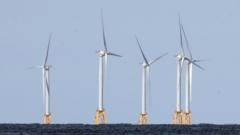
Major Settlement Marks Escalation in Wind Power Cancellations
The Trump administration has agreed to compensate RWE, a major German energy corporation, with $1.2 billion in a landmark settlement to discontinue ongoing wind energy initiatives across the United States. This substantial financial arrangement represents the latest in an expanding succession of transactions designed to terminate renewable wind projects, reinforcing the administration's well-documented skepticism toward this particular energy sector.
The financial commitment underscores a deliberate shift in energy policy priorities, as wind power has consistently faced criticism from Trump and his administration officials. The $1.2 billion allocation reflects the considerable costs associated with unwinding contractual obligations and project commitments already in progress throughout various American regions.
Context of Renewable Energy Policy Reversals
Wind energy development has become a contentious issue within the current administration's broader energy agenda. The Trump administration's approach toward wind projects demonstrates a fundamental departure from previous policies that supported renewable energy expansion. Multiple agreements similar to this RWE settlement have been negotiated, indicating a systematic effort to redirect the nation's energy infrastructure priorities.
The administration's stance on wind power extends beyond mere policy rhetoric. Concrete financial commitments, such as the RWE payment, demonstrate tangible efforts to reshape America's energy landscape. These settlements often involve complex negotiations between federal authorities and energy companies holding rights to develop wind facilities in American territories and waters.
RWE's Position and Strategic Implications
RWE, one of Europe's largest electricity producers, operates substantial renewable energy portfolios globally. The company's decision to accept the settlement reflects broader uncertainties surrounding wind energy expansion prospects within the United States under the current political climate. The German firm's acceptance of this compensation arrangement suggests pragmatic business considerations regarding market conditions and regulatory environments.
This particular transaction with RWE joins a growing catalog of similar deals canceling wind energy projects nationwide. Each settlement involves distinct negotiations based on individual project circumstances, locations, and contractual frameworks. The cumulative effect of these cancellations signals a significant reorientation of American energy development strategies.
Broader Implications for the Renewable Energy Sector
The succession of wind project terminations raises substantial questions about America's renewable energy future. Investors in clean energy initiatives face increased uncertainty regarding long-term project viability and government support structures. The pattern of settlements demonstrates willingness to absorb significant financial costs to achieve the administration's energy policy objectives.
Wind power, once considered a cornerstone of diversified energy strategies, has encountered systematic resistance within this administration's framework. The ideological and practical opposition to wind energy projects represents a marked departure from earlier bipartisan efforts to develop diverse energy sources across American regions.
Financial and Economic Considerations
The $1.2 billion commitment to RWE constitutes a substantial public expenditure justified by the administration's energy priorities. Taxpayers ultimately bear these financial burdens through government budgets and allocations. The costs associated with halting wind projects—including infrastructure dismantling, contractual settlements, and compensation arrangements—accumulate significantly across multiple terminated initiatives.
Energy companies worldwide have reassessed their American wind energy strategies following these developments. The regulatory unpredictability and potential for future policy reversals create challenging circumstances for long-term renewable energy investments within the United States.
Summary and Outlook
The $1.2 billion RWE settlement exemplifies the Trump administration's commitment to reversing wind energy expansion across America. This payment represents not an isolated occurrence but rather one element within a coordinated strategy to reshape national energy policies. The implications extend beyond individual projects, affecting investor confidence, employment in renewable sectors, and America's global positioning regarding sustainable energy development. Future energy directions remain dependent on continued policy implementations and additional settlement negotiations with affected companies worldwide.


