Tai Chi and Chinese Exercises Proven Effective for Musculoskeletal Health
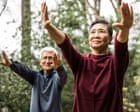
Tai Chi Musculoskeletal Benefits Confirmed by Major Research Analysis
A groundbreaking comprehensive review has established that tai chi and other traditional Chinese exercises deliver substantial therapeutic benefits for individuals managing musculoskeletal conditions. This landmark analysis provides high certainty evidence supporting the effectiveness of these ancient exercise practices, offering hope to the estimated 1.7 billion people worldwide currently dealing with musculoskeletal disorders and seeking alternative or complementary treatment approaches.
The extensive research examined how tai chi and related Chinese exercise methodologies impact multiple dimensions of musculoskeletal health. Results demonstrate remarkable improvements across numerous health markers, including enhanced physical function, significant pain reduction, strengthened mental health outcomes, improved sleep quality, and increased bone mineral density. These findings represent a major validation of practices that have been integral to Chinese medicine and wellness traditions for centuries.
Global Impact of Musculoskeletal Conditions
The prevalence of musculoskeletal disorders affects populations across every demographic segment and geographic region. More than 1.7 billion individuals worldwide currently experience some form of musculoskeletal condition, making this health challenge one of the most widespread physical health concerns globally. The impact varies depending on age and specific diagnosis, yet the reality remains that people of all ages throughout every country and across all continents face these debilitating conditions.
Musculoskeletal disorders encompass a wide range of conditions affecting bones, joints, muscles, and connective tissues. These conditions can develop from injury, repetitive strain, aging processes, or underlying medical conditions. The burden on individuals is substantial, affecting mobility, independence, quality of life, and overall well-being. Traditional approaches through tai chi offer a non-invasive, accessible alternative that addresses multiple aspects of health simultaneously.
Comprehensive Health Benefits of Tai Chi
The research analysis reveals that tai chi delivers multifaceted advantages for musculoskeletal health management. Physical function improvements represent one of the most significant benefits, enabling individuals to maintain greater mobility and independence in daily activities. This functional enhancement translates directly into improved quality of life and reduced disability.
Pain management constitutes another critical benefit area. Many individuals with musculoskeletal conditions report chronic pain that significantly impacts their daily existence. Tai chi's gentle, controlled movements combined with mindfulness principles help reduce pain sensation and improve pain tolerance without relying solely on pharmaceutical interventions. This natural pain management approach addresses both acute and chronic pain conditions effectively.
Mental health improvements resulting from tai chi practice extend beyond physical benefits. The meditative aspects combined with rhythmic movement promote emotional well-being, reduce anxiety and depression symptoms commonly associated with chronic musculoskeletal conditions, and enhance overall psychological resilience. Participants frequently report improved mood, reduced stress levels, and greater emotional stability following regular practice.
Sleep Quality and Bone Health Enhancement
Sleep disturbances frequently accompany musculoskeletal conditions, as pain and discomfort interfere with rest quality. The review findings demonstrate that tai chi practice significantly improves sleep quality, helping individuals achieve deeper, more restorative sleep patterns. Better sleep contributes to pain reduction, faster tissue healing, and improved immune function.
Bone mineral density represents another crucial health parameter addressed by tai chi practice. Weight-bearing movements inherent in tai chi exercises stimulate bone formation and help maintain bone strength, particularly important for aging populations at risk of osteoporosis. This benefit reduces fracture risk and supports long-term skeletal health, addressing a major health concern especially among older adults.
Evidence Quality and Research Certainty
The classification of "high certainty evidence" in this analysis represents the highest standard of research validation. This designation indicates that the research team found robust, consistent findings across multiple well-designed studies, reducing uncertainty about the true effects of tai chi and traditional Chinese exercises. Such high-quality evidence justifies recommendation of these practices as legitimate therapeutic interventions for musculoskeletal management.
The scope and scale of this review analysis exceed previous research efforts, making it the largest systematic evaluation of traditional Chinese exercise benefits conducted to date. This comprehensive approach strengthens confidence in the findings and supports broader implementation of tai chi in clinical and community health settings worldwide.
Accessibility and Implementation Advantages
Beyond clinical effectiveness, tai chi offers practical advantages for widespread implementation. The exercise requires no expensive equipment, no special facilities, and minimal financial investment. Classes operate in community centers, parks, and health facilities, making participation accessible across socioeconomic levels. The low-impact nature suits individuals with varying fitness levels and physical limitations, enabling participation regardless of disease severity or age.
These characteristics position tai chi as an ideal complement to conventional medical treatments for musculoskeletal conditions. Individuals can integrate practice into daily routines, sustain participation long-term, and enjoy benefits without medication side effects or addiction risks. The holistic approach addresses physical, mental, and spiritual dimensions simultaneously, distinguishing tai chi from more limited treatment interventions.
This landmark research validation opens pathways for broader recognition of traditional Chinese exercises within mainstream health systems and encourages healthcare providers to recommend these evidence-based practices to patients managing musculoskeletal conditions globally.