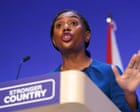
Starmer Opens Door to Resignation Honours Before Leaving Office

Starmer Reconsiders Position on Resignation Honours
British Prime Minister Keir Starmer has indicated a potential shift in his position regarding resignation honours, suggesting he may distribute them upon his departure from Downing Street. This marks a significant reversal from his previous commitment made three years ago to forgo such honours when eventually stepping down from office.
The prime minister deliberately avoided ruling out the possibility of creating a resignation honours list during recent questioning, refusing to commit firmly to his earlier pledge. With his departure scheduled for just over ten days away, the question of whether Starmer will establish such a list remains unresolved and subject to further deliberation.
Breaking a Previous Campaign Promise
When Starmer initially pledged to reject resignation honours, the commitment reflected broader Labour party principles about reforming political practices and distancing the party from controversies surrounding honour distributions under previous administrations. However, his recent reluctance to reaffirm this position suggests evolving thinking as his tenure approaches its conclusion.
The prime minister's hesitation to explicitly deny drawing up a honours list contrasts sharply with his three-year-old declaration, raising questions about the reasoning behind this apparent change of heart. Political observers have noted that outgoing leaders frequently face pressure regarding honours distribution, as various colleagues and supporters await recognition for their service.
Transition of Power and Succession Planning
Andy Burnham is set to assume the role of prime minister following Starmer's departure, marking a significant transition within the government. The timing of discussions surrounding resignation honours coincides with preparations for this leadership change, adding another dimension to the broader questions about Starmer's final acts in office.
Political protocol traditionally permits outgoing prime ministers considerable discretion in recognising the contributions of advisors, politicians, and civil servants who have worked alongside them. The question of whether Starmer will exercise this prerogative remains a point of considerable speculation among Westminster observers and political commentators.
Historical Context of Resignation Honours
Resignation honours have long been a contentious aspect of British political tradition. Previous administrations have faced criticism regarding the recipients of such honours and the perceived appropriateness of the selections made. These controversies have prompted various calls for reform and greater transparency in the honours process.
Starmer's earlier opposition to resignation honours appeared aligned with broader anti-establishment sentiment and a desire to present Labour as a reformed party committed to cleaner politics. His current equivocation suggests that practical realities of office and relationships built over years of service may be influencing his thinking as he prepares to exit Number 10.
Political Response and Public Reaction
The prime minister's reluctance to firmly rule out resignation honours has already attracted attention from political analysts and commentators across the spectrum. Some view the position as pragmatic recognition of established practice, while others see it as inconsistent with earlier commitments to change political culture.
The broader implications of Starmer's decision will extend beyond individual recognition, affecting public perception of his tenure and the Labour government's overall credibility on promises regarding institutional reform. As the days count down to his departure, clarification on this matter appears increasingly likely, whether through explicit statement or through action once the transition process formally concludes.