
Solar Plug-In Panels: Revolutionary Home Energy Solutions Coming to Retailers
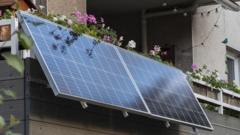
Plug-In Solar Panels: A Game-Changing Energy Solution for Homes
The emergence of plug-in solar panels represents a significant shift in how households can generate their own renewable energy. These innovative systems are set to become increasingly accessible at retail locations across the country, offering homeowners a practical alternative to traditional fixed solar installations. The UK government has endorsed plug-in solar panels as a technology capable of helping residences "significantly cut" their energy bills while reducing carbon footprints.
Understanding Plug-In Solar Panel Technology
Unlike conventional rooftop solar installations that require professional installation and permanent fixtures, plug-in solar panels operate on a fundamentally different principle. These portable units can be positioned in various locations throughout a property, from gardens to balconies, and connect directly to standard household electrical outlets. This flexibility makes them an attractive option for renters, flat dwellers, and homeowners who lack suitable roof space or prefer a non-invasive installation method.
How Plug-In Solar Panels Function
The operational mechanics of plug-in solar panels are straightforward yet effective. During daylight hours, the photovoltaic cells capture solar energy and convert it into usable electricity. This generated power flows directly into your home's electrical circuit through a standard plug connection, offsetting the energy you would otherwise draw from the national grid. Any excess electricity generated during peak sunny periods can be stored in accompanying battery systems or fed back into the grid, depending on your setup and regional regulations.
Financial Benefits and Energy Bill Reduction
The government's assertion that plug-in solar panels can substantially reduce energy expenses resonates with households facing rising utility costs. By generating electricity on-site, homeowners can diminish their reliance on grid-supplied power, thereby lowering monthly energy expenditures. The actual savings depend on several factors, including geographical location, seasonal sunshine patterns, household consumption habits, and the panel system's capacity.
Long-Term Cost Savings
While the initial investment in plug-in solar panels requires financial consideration, the long-term economic advantages are compelling. Most systems achieve return on investment within five to eight years, after which the generated electricity becomes essentially free. Homeowners also benefit from reduced exposure to future energy price increases, providing protection against inflation in utility costs.
Installation and Accessibility
A major advantage distinguishing plug-in solar panels from conventional systems is their accessibility to a broader consumer base. The simplified installation process eliminates the need for specialized technicians or structural modifications to properties. Retailers now stocking these products are making renewable energy technology available to customers who might otherwise face barriers to solar adoption, such as rental agreements, building restrictions, or financial constraints related to professional installation fees.
Retail Availability and Consumer Access
The expansion of plug-in solar panel availability through retail channels democratizes access to solar technology. Shoppers can examine products in person, receive guidance from knowledgeable staff, and make informed purchasing decisions. This retail distribution model significantly lowers the entry barriers for consumers considering renewable energy solutions for their homes.
Environmental Impact and Sustainability
Beyond economic considerations, plug-in solar panels contribute meaningfully to environmental sustainability objectives. Each unit generating renewable electricity reduces demand for fossil fuel-based power generation, thereby decreasing household carbon emissions. As more properties adopt this technology, the cumulative environmental benefit becomes substantial, supporting the UK's commitment to reaching net-zero carbon targets.
Considerations Before Purchase
Prospective buyers should evaluate several factors before investing in plug-in solar panels. Assessing your property's sun exposure, understanding your household's energy consumption patterns, and reviewing warranty terms ensures informed decision-making. Additionally, checking local regulations regarding electrical installations and grid connection policies helps clarify any technical requirements or restrictions applicable to your situation.
The Future of Residential Energy Generation
The growing availability of plug-in solar panels signals a broader transformation in residential energy production. As technology continues advancing and costs decline, these systems will likely become standard fixtures in UK homes. The combination of government support, retail distribution expansion, and consumer demand creates favorable conditions for widespread adoption of plug-in solar panel technology across the country.


