Smart Glasses Ban Under Review: UK Tackles Covert Recording Risks
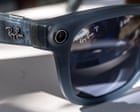
Government Addresses Smart Glasses Privacy Crisis
The British government is actively evaluating potential controls on smart glasses following mounting concerns that this emerging technology facilitates unauthorized recording of unsuspecting individuals. During recent parliamentary discussions, safeguarding authorities have signaled serious intent to establish regulatory frameworks that would restrict access to such devices among particular demographic groups. These deliberations underscore growing anxiety within policymaking circles regarding privacy violations and the misuse of wearable recording equipment in everyday settings.
Minister's Proposals Target Sales Restrictions
Satvir Kaur, the government's safeguarding minister, delivered candid remarks in the House of Commons regarding potential smart glasses limitations. Her statements indicated that authorities are contemplating measures that would prohibit the distribution of these technologies to specific user categories. This proposal represents a significant shift in how regulators approach consumer electronics that possess recording capabilities, particularly those designed to function inconspicuously during normal social interactions.
Privacy Threats and Hidden Recording Dangers
The push toward smart glasses regulation stems directly from documented incidents where wearable devices equipped with miniature cameras have allegedly been deployed to capture footage of women without their knowledge or permission. Law enforcement agencies and women's safety advocates have raised alarms about the capacity of such technology to facilitate intrusive monitoring in domestic spaces, public transportation, and commercial establishments. These concerns have transcended individual complaints to become a matter of national policy consideration, prompting government intervention at the highest levels.
Protecting Vulnerable Populations
Women's organizations across the United Kingdom have championed stronger protections against covert surveillance enabled by smart glasses and similar devices. The technology's sophisticated design—with cameras often indistinguishable from ordinary eyewear—creates challenges for traditional detection and prevention methods. Advocates argue that legislative action through smart glasses ban mechanisms represents the most effective pathway to safeguard vulnerable populations from exploitation. Current privacy laws, designed in earlier eras before wearable recording technology became commonplace, lack adequate provisions to address these emerging threats comprehensively.
Broader Implications for Wearable Technology Regulation
The government's consideration of smart glasses restrictions signals a pivotal moment in technology regulation policy. As consumer electronics continue advancing at unprecedented rates, policymakers face mounting pressure to implement protective frameworks without stifling legitimate innovation. The proposed approach of selective distribution controls seeks to balance technological progress with individual safety, allowing authorized users access while preventing misuse by bad actors. This nuanced strategy reflects recognition that blanket prohibitions might prove impractical, whereas targeted restrictions could address specific risks more effectively.
Legislative Pathways Forward
Discussions surrounding potential smart glasses ban initiatives have prompted exploration of various legislative mechanisms. Options under consideration include mandatory age verification systems for purchases, licensing requirements for commercial applications, and technical modifications that disable covert recording functions. The government must also coordinate with technology manufacturers to establish industry standards that incorporate built-in safeguards. International collaboration with allied nations facing similar challenges could facilitate development of harmonized approaches, preventing regulatory arbitrage where problematic devices are simply redirected to less restrictive jurisdictions.
Public Safety and Enforcement Challenges
Implementation of effective smart glasses restrictions presents substantial enforcement challenges for authorities. The miniaturized nature of recording technology means detection at borders and retail points requires sophisticated screening capabilities. Police forces must simultaneously develop investigation protocols for cases involving covert footage creation and distribution. Training programs for frontline officers need enhancement to recognize smart glasses applications and understand associated legal frameworks. These operational requirements demand significant resource allocation and inter-agency coordination across law enforcement, customs, and regulatory bodies.
Technology Industry Response and Standards
Major manufacturers of smart glasses and wearable devices have begun responding to regulatory pressures by developing transparency features and consent-based recording mechanisms. Some producers are exploring technical solutions that would make covert recording more difficult through automatic notification systems or encrypted access controls. However, critics argue that voluntary industry measures prove insufficient given profit incentives to maintain full device capabilities. The government's regulatory intervention may accelerate adoption of more stringent protective features across the sector, establishing new baseline standards for responsible technology development.