
Shipping Routes Shift Dramatically as Houthi Threats Force Tanker Course Changes
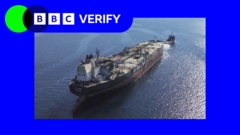
Tanker Vessels Execute Major Course Corrections Amid Rising Houthi Threats
Commercial shipping operations face unprecedented disruptions as multiple cargo tankers alter their navigation paths in response to intensifying Houthi maritime threats. The concerning situation has prompted vessel operators to make significant decisions regarding established trade corridors, with data from maritime tracking systems revealing that numerous tankers originally destined for or departing from Saudi Arabian port facilities have substantially modified their sailing routes.
Tracking Data Reveals Widespread Route Modifications
Real-time vessel monitoring information demonstrates the scale of the operational adjustments across the shipping industry. The Houthi shipping threat has become a critical concern for maritime operators managing commercial traffic through strategic waterways. Ships that were previously scheduled to navigate directly toward major Saudi Arabian ports have begun implementing alternative routing strategies to mitigate potential security risks.
The tracking systems show that vessels are now taking extended pathways to reach their intended destinations, adding considerable distances to their voyages. This represents a fundamental shift in how shipping companies manage their logistics operations in one of the world's most vital maritime corridors.
Scope of Port Diversions and Maritime Impact
The complete dataset of vessel movements indicates that every recorded tanker originally heading toward Saudi Arabian port destinations has made corresponding course corrections. This comprehensive diversion pattern highlights the pervasive concern among shipping operators regarding the Houthi shipping threat and its potential consequences for maritime commerce.
Port facilities in Saudi Arabia are experiencing a notable reduction in anticipated vessel arrivals as companies prioritize safety considerations over traditional routing efficiency. The operational decisions reflect serious concerns about navigational security in the affected maritime zones.
Commercial and Logistical Consequences
The widespread course modifications carry significant implications for global petroleum supply chains and international commerce. Tanker operators are factoring increased voyage duration and fuel consumption into their operational planning, with potential ramifications for energy market pricing and availability.
The altered shipping patterns suggest that maritime security concerns have become the paramount consideration in route planning decisions. Companies operating tanker fleets are implementing revised protocols that emphasize vessel safety over conventional efficiency metrics.
Strategic Response to Maritime Security Challenges
The Houthi shipping threat represents a complex maritime security challenge requiring comprehensive operational responses from the global shipping industry. Vessel operators are actively monitoring threat assessments and adjusting their navigation strategies accordingly.
Port operators and shipping companies are collaborating on alternative routing solutions that minimize exposure to potential threats while maintaining viable commercial operations. The dynamic situation continues to influence decision-making across maritime logistics networks.
Future Outlook for Shipping Operations
The persistence of maritime security concerns suggests that course diversion patterns may continue affecting shipping operations in the foreseeable future. Tanker operators are developing contingency strategies and revised operational procedures to navigate the evolving security environment.
Ongoing monitoring of vessel movements and tracking data will remain essential for understanding how the shipping industry adapts to sustained security challenges. The Houthi shipping threat continues to reshape traditional maritime commerce patterns and operational decision-making frameworks across the global shipping sector.


