Sexual Assault Crisis Among Women Crossing English Channel
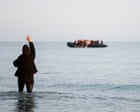
Alarming Sexual Violence Statistics Among Channel Crossing Women
Shabana Mahmood, serving as Home Secretary, has brought urgent attention to the devastating reality that women small boats travelers face during their perilous journeys to reach British shores. In a candid discussion featured on The Rest Is Politics podcast, the senior government official disclosed that the vast majority of female migrants attempting to traverse the English Channel from northern France encounter sexual assault and rape during their passage.
The disclosure represents one of the most sobering statements regarding the humanitarian crisis surrounding irregular migration routes. The women small boats phenomenon continues to expose vulnerable populations to organized criminal networks that exploit desperation and circumstance with devastating consequences.
Understanding the Scale of Exploitation
The home secretary's comments underscore the systematic nature of abuse perpetrated against women seeking asylum through dangerous maritime routes. These individuals, fleeing persecution and conflict in their home countries, become targets for exploitation at multiple stages of their journey. The vulnerability begins before departure and intensifies as they navigate controlled territories managed by human trafficking syndicates.
Sexual violence during channel crossing represents a significant component of broader human trafficking operations. These criminal enterprises deliberately target women and girls, recognizing their heightened vulnerability and the financial opportunities presented by forced labor and exploitation networks. The systematic nature of these attacks indicates coordination among trafficking organizations rather than isolated incidents.
Criminal Networks and Trafficking Operations
Mahmood emphasized that people traffickers maintain deliberate decision-making authority over who reaches the United Kingdom through irregular channels. This control extends beyond transportation logistics; it encompasses predatory behavior normalized within criminal networks. Traffickers exploit asylum seekers' desperation, employing coercion, debt bondage, and violence as mechanisms of control throughout the migration process.
The home secretary warned that allowing such criminal organizations to maintain operational capacity directly enables continued sexual violence and exploitation. By dictating migration patterns and passenger selection, trafficking syndicates ensure that vulnerable populations remain subject to abuse and degradation. The current system permits these networks to function with relative impunity across international borders.
Political Extremism and Migration Debate
During her podcast appearance, Mahmood addressed broader political concerns surrounding migration discourse. She cautioned that far-right activists, many operating through organized movements and employing intimidation tactics, threaten democratic governance and inclusive society principles. These movements, characterized by aggressive posturing and extremist rhetoric, represent a direct challenge to multicultural values and refugee protection frameworks.
The home secretary expressed particular concern about violent rhetoric suggesting that extremist factions would "kill" or forcibly exile political opponents should they gain power. Such statements indicate the dangerous trajectory of anti-immigration movements and their potential consequences for social cohesion. Mahmood's warnings reflect legitimate concerns about democratic backsliding when migration becomes weaponized for political purposes.
Government Response and Policy Implications
The home secretary's disclosure signals renewed focus on addressing trafficking networks and preventing sexual violence against vulnerable migrants. Effective responses require enhanced border security protocols, international cooperation frameworks, and victim support services. Government agencies must coordinate across jurisdictions to dismantle trafficking operations and prosecute perpetrators.
Protecting women small boats travelers demands multifaceted interventions addressing both immediate safety concerns and root causes of irregular migration. Enhanced intelligence gathering regarding trafficking networks, improved asylum processing efficiency, and victim assistance programs constitute essential components of comprehensive responses. Investment in these areas could significantly reduce migrants' exposure to exploitation.
International Cooperation Requirements
Addressing sexual violence against channel crossing migrants necessitates collaboration between UK authorities and French counterparts. Coordinated enforcement targeting trafficking operations must extend across multiple jurisdictions where networks maintain operational presence. Enhanced information sharing regarding suspect identification and criminal methodology strengthens investigative capacity.
French authorities similarly confront trafficking organizations operating within their territory. Joint task forces combining British and French law enforcement resources represent essential mechanisms for dismantling networks before they facilitate dangerous maritime passages. International agreements establishing extradition protocols and mutual legal assistance enhance prosecution capacity across borders.
Supporting Survivors and Vulnerable Populations
Beyond enforcement interventions, comprehensive victim support services represent critical policy requirements. Women experiencing sexual violence during migration require trauma-informed care, legal advocacy, and long-term integration assistance. Current service capacity often proves inadequate relative to survivor numbers, creating gaps in psychological support and rehabilitation.
Establishing specialized counseling services with multilingual capacity ensures that traumatized survivors can access appropriate mental health interventions. Trauma-informed border processing procedures reduce secondary victimization and encourage disclosure of exploitation experiences. These investments acknowledge both humanitarian obligations and practical benefits of supporting survivor recovery and eventual community integration.
Conclusion
The home secretary's stark assessment of sexual violence affecting women small boats travelers represents an urgent call for comprehensive policy responses. Addressing this humanitarian crisis requires enhanced law enforcement cooperation, improved asylum processing mechanisms, and strengthened victim support frameworks. Only through sustained political commitment and international coordination can exploitation networks be effectively dismantled and vulnerable populations protected from predatory violence.