
Severe Thunderstorms Impact 900+ Flight Delays at UK's Busiest Airports
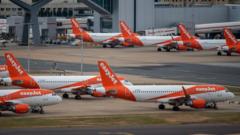
Thunderstorms Flight Delays Affect Thousands of Passengers
Major disruptions have unfolded at two of Britain's most critical aviation hubs as thunderstorms flight delays continue to mount. Over 900 flights experienced significant delays at Heathrow and Gatwick airports due to severe meteorological conditions developing across regions south of the United Kingdom. The widespread weather phenomenon has created unprecedented challenges for passengers and airport operations during peak travel periods.
Scale of Disruption and Weather Impact
The magnitude of today's disruption reflects the intensity of the atmospheric systems moving through British airspace. Thunderstorms flight delays have affected hundreds of scheduled departures and arrivals throughout the day, with meteorological forecasters warning of continued unstable conditions. The weather systems responsible for these interruptions originated from areas located to the south, bringing heavy precipitation, strong wind gusts, and lightning activity that necessitated precautionary operational measures at both major terminals.
Heathrow Airport Operational Challenges
As Europe's busiest airport by passenger volume, Heathrow experienced substantial operational strain from the developing weather pattern. Flight handlers reported extended ground delays, holding patterns for incoming aircraft, and temporary restrictions on runway usage during the height of the storm activity. Ground crews implemented enhanced safety protocols to ensure passenger and staff protection while managing the complex logistics of processing hundreds of delayed passengers.
Gatwick Airport Response
Gatwick, serving as London's second major international aviation facility, similarly implemented emergency procedures to address the cascading delays. Aircraft scheduling underwent rapid reconfiguration as weather monitoring systems continuously assessed the severity and movement of the severe weather system. The airport authority coordinated with airlines to prioritize critical operations while maintaining strict adherence to safety regulations.
Passenger Impact and Travel Disruptions
Thousands of travelers found themselves stranded or significantly delayed as thunderstorms flight delays rippled throughout the aviation network. Connecting passengers faced missed onward connections, while international travelers experienced extended waiting periods in terminal facilities. Airlines activated passenger assistance protocols, including rebooking procedures, accommodation provisions for overnight stays, and regular communication updates regarding revised departure times.
Meteorological Situation and Forecast
Weather forecasters attributed the disruption to a complex low-pressure system combined with warm, moist air creating favorable conditions for thunderstorm development. The atmospheric setup produced a series of intense convective cells moving through southern regions. Meteorological agencies issued weather warnings for affected areas, advising residents and travelers to exercise caution and monitor official guidance. Forecasters indicated that conditions would gradually improve throughout the evening hours as the system progressed northeastward.
Airlines' Operational Response
Major carriers operating from both airports coordinated closely with airport authorities to manage the crisis. Flight operations centers activated contingency plans developed for severe weather scenarios. Airlines issued travel waivers allowing passengers to modify bookings without penalty, recognizing the extraordinary circumstances. Enhanced communication protocols kept affected customers informed throughout the disruption period, with regular updates distributed via multiple channels including airport displays, airline websites, and direct passenger notifications.
Ground Infrastructure and Safety Measures
Both airports implemented heightened safety procedures appropriate to severe weather conditions. Ground support equipment operations were carefully sequenced to avoid hazardous situations during lightning activity. Runway maintenance teams stood ready to clear any debris or standing water that might compromise aircraft operations once conditions improved. Emergency services remained on heightened alert throughout the event.
Recovery Operations Underway
As atmospheric conditions gradually stabilized, airport operations commenced recovery procedures to clear accumulated delays. Airlines worked through extended evening schedules attempting to accommodate delayed passengers and restore normal routing. The cascading effects of accumulated delays meant that full operational recovery would extend into subsequent days as the system's impact reverberated through connecting flights and aircraft positioning.
Looking Forward: Weather Preparedness
This significant disruption underscores the critical importance of meteorological planning in aviation operations. Modern weather monitoring technology provides accurate forecasting, yet the intensity and precise timing of thunderstorms remain challenging variables. Airports continue investing in enhanced weather detection systems and operational protocols to minimize future disruptions while maintaining the highest safety standards required in commercial aviation.


