
Seismic Crisis Strikes Venezuela Amid Political Turmoil and Uncertainty
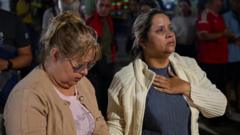
Earthquake Devastates Venezuela During Critical Period
An earthquake in Venezuela has emerged as a significant catastrophe, striking the nation during a particularly vulnerable moment marked by political upheaval and economic uncertainty. The seismic event represents a dual challenge for a country already grappling with institutional instability and systemic challenges affecting its population.
The twin quakes occurred less than six months following the controversial detention of former leader Nicolás Maduro by United States authorities. This timing compounds existing difficulties, as Venezuela's leadership and infrastructure face unprecedented strain during the transition period. The earthquake disaster adds another layer of complexity to an already fragile national situation.
Timing and Impact of the Seismic Events
The sequence of tremors has raised concerns among international observers and humanitarian organizations monitoring Venezuela's deteriorating conditions. Coming at a moment when governmental resources are stretched thin due to political transitions, the Venezuela earthquake threatens to overwhelm already inadequate emergency response systems. Communities across affected regions face challenges accessing basic services and disaster relief.
Infrastructure damage assessments reveal widespread destruction across multiple municipalities. The combination of structural vulnerability—stemming from decades of underinvestment—and the immediate shock of seismic activity has created a humanitarian emergency requiring urgent international coordination and assistance.
Regional Consequences and Population Impact
The earthquake affecting Venezuela has displaced thousands of residents and destroyed countless homes, particularly in vulnerable settlements where building codes have not been adequately enforced. Hospitals and medical facilities sustained significant damage, severely limiting healthcare capacity precisely when medical needs escalate following natural disasters.
Agricultural regions experienced considerable losses, threatening food security for rural communities already facing nutritional challenges. Water infrastructure damage compounds these difficulties, potentially leading to public health crises if sanitation systems cannot be rapidly restored.
Political Context and Governance Response
The political uncertainty surrounding Venezuela's leadership transition has complicated disaster response coordination. Emergency management agencies struggle to mobilize resources effectively when governmental authority remains contested and institutional continuity is questioned. The seismic crisis in Venezuela exposes gaps in disaster preparedness protocols that should have been implemented years earlier.
International humanitarian organizations have mobilized to provide emergency assistance, recognizing that domestic capacity alone cannot address the magnitude of this disaster. Coordination between various relief agencies remains challenging due to existing political tensions and diplomatic complications.
Economic and Long-term Recovery Implications
The financial burden of reconstruction will strain Venezuela's already depleted treasury. With limited currency reserves and constrained access to international credit markets, recovery timelines remain uncertain. The earthquake disaster in Venezuela may accelerate existing emigration trends as citizens lose confidence in their nation's ability to provide basic stability and security.
Reconstruction efforts will require sustained international support and internal political consensus—commodities currently in short supply. Experts warn that inadequate recovery investment could transform this natural disaster into a prolonged humanitarian crisis affecting generations of Venezuelans.
Looking Toward Reconstruction and Resilience
Building codes and disaster preparedness infrastructure require substantial upgrading to prevent comparable catastrophes in the future. Venezuela needs comprehensive seismic risk reduction strategies, reinforced building standards, and functional emergency response systems. The current earthquake impact serves as a stark reminder of infrastructure vulnerabilities that transcend political divisions.
Regional cooperation with neighboring countries could accelerate recovery and establish shared disaster management protocols. However, achieving such cooperation requires diplomatic progress amid existing regional tensions and political complications affecting Venezuela's international relationships.
The convergence of natural disaster and political uncertainty creates unprecedented challenges for Venezuela's population and governance structures. Sustained attention from international partners will be essential for ensuring adequate humanitarian response and supporting long-term recovery initiatives.


