
Russia Launches Massive Attack on Kyiv: At Least 27 Dead
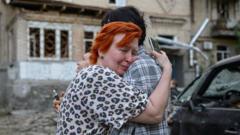
Russia's Massive Attack on Kyiv Leaves 27 Dead
Russia executed what officials are describing as its most significant military operation against Ukraine's capital in recent months. The massive attack on Kyiv involved an unprecedented volume of weaponry, striking numerous targets across diverse neighborhoods and administrative districts. Emergency services confirmed at least 27 fatalities, with additional casualties still being assessed as rescue operations continue throughout the affected areas.
Scale and Scope of the Assault
The scale of this aerial bombardment represents an escalation in Russia's military campaign against Ukraine's major urban centers. What distinguished this particular massive attack on Kyiv was not only the quantity of ordnance deployed but also the geographical spread of impacts. Military analysts noted that weapons reached locations spanning multiple districts, indicating a coordinated effort to maximize coverage across the metropolitan zone.
Weapon Systems Deployed
The assault utilized various delivery systems, encompassing both traditional air-launched platforms and advanced missile technology. Intelligence reports suggest the offensive combined cruise missiles with other precision-guided munitions. The variety of weapons employed during this massive attack on Kyiv demonstrated Moscow's intent to overwhelm Ukrainian air defense systems and inflict maximum damage on civilian and military infrastructure simultaneously.
Impact on Civilian Infrastructure
Beyond the tragic loss of life, the massive attack on Kyiv caused extensive damage to residential buildings, medical facilities, and essential services infrastructure. Several hospitals sustained direct hits, complicating rescue and medical response efforts. Power supply disruptions affected thousands of households, while water treatment facilities suffered significant damage, creating humanitarian challenges for the civilian population remaining in the capital.
Emergency Response Operations
Ukrainian emergency services mobilized rapidly following the assault. Rescue teams worked through the night accessing collapsed structures and extracting survivors from rubble. First responders faced challenging conditions due to ongoing security threats and compromised infrastructure. Medical personnel treated the injured at functioning hospitals while managing shortages of essential supplies caused by the destructive nature of the massive attack on Kyiv.
International Response and Condemnation
Global leaders condemned Russia's military operations against civilian populations. Western nations reiterated their commitment to supporting Ukraine's defense capabilities. The United Nations expressed grave concern regarding the targeting of civilian areas during this massive attack on Kyiv, calling for accountability regarding potential violations of international humanitarian law and the Geneva Conventions.
Military Strategic Implications
Military strategists analyzed the tactical significance of deploying such concentrated firepower on a single metropolitan area. The operation appeared designed to test Ukrainian air defense capabilities, degrade military command structures, and demonstrate Russia's ongoing capacity for large-scale operations. The massive attack on Kyiv highlighted the persistent vulnerability of urban areas despite continuous improvements in defensive systems.
Civilian Toll and Human Cost
Beyond statistical casualty figures, the human impact of this assault proved devastating for families and communities. Thousands became displaced from their homes, joining internally displaced populations across Ukraine. Psychological trauma affected survivors who witnessed the destruction firsthand. The massive attack on Kyiv compounded existing humanitarian challenges, straining relief organizations already operating under severe resource constraints throughout the conflict zone.
Continuing Security Threats
Ukrainian authorities maintained heightened alert status following the assault, anticipating potential follow-up operations. Air raid warnings became routine occurrences as surveillance detected continued Russian military activity. Citizens adapted to persistent security threats by seeking shelter in underground facilities and reinforced structures. The psychological burden of sustained threat created long-term consequences for civilian populations enduring the prolonged conflict.


