Royal Navy Faces Arctic Readiness Gap Against Russia
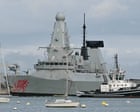
Defence Committee Exposes Critical Naval Vulnerability
The United Kingdom faces mounting security concerns regarding Royal Navy Arctic readiness as parliamentary defence experts have raised serious alarm about inadequate military capabilities to counter Russian expansion in the high north. According to members of the defence select committee, the nation's naval forces are dangerously under-resourced to maintain deterrence against potential future Russian aggression beyond British territorial waters.
The Royal Navy Arctic readiness challenge represents one of the most pressing defence issues confronting the nation, with MPs citing multiple operational failures and chronic equipment shortages as evidence of systemic problems within the service.
Submarine and Frigate Shortages Highlight Vulnerability
Parliamentary investigators have identified persistent vessel availability as a fundamental weakness in Britain's naval posture. The committee's investigation revealed that all five Astute-class attack submarines underwent simultaneous docking during summer months, leaving zero operational attack submarines available for active deployment. This unprecedented situation demonstrates the precarious state of Britain's underwater defence capabilities.
Beyond submarine challenges, the number of frigates in active service has declined substantially in recent years, further eroding the Royal Navy's capacity to conduct sustained operations across multiple strategic regions. The committee emphasized that current frigate numbers fall significantly short of requirements needed to maintain presence in both European waters and the Arctic region simultaneously.
HMS Dragon Deployment Signals Readiness Problems
The committee specifically highlighted the delayed deployment of HMS Dragon to Cyprus during spring as emblematic of deeper structural issues. The slow mobilization of this major vessel revealed logistical constraints and maintenance backlogs that prevent the Royal Navy from responding swiftly to emerging threats. Such delays undermine Britain's ability to project power and maintain allied commitments across critical regions.
These deployment difficulties are not isolated incidents but rather symptoms of an overstretched maritime force attempting to cover global commitments with insufficient resources and vessels in adequate operational condition.
Urgent Reform Required by Decade's End
The defence select committee has determined that dramatic progress must be achieved by the end of the current decade to address these deficiencies. MPs have called for comprehensive modernization of naval infrastructure, accelerated submarine construction programmes, and increased frigate production to restore operational capability.
The committee stressed that without substantial investment and strategic restructuring, Britain's capacity to deter Russian aggression in the Arctic will continue deteriorating. The high north represents an increasingly contested region where Russian military activity has intensified significantly in recent years, making British naval presence essential for maintaining strategic balance.
Strategic Implications for NATO and Allied Defence
Britain's naval limitations extend beyond domestic security considerations, affecting broader NATO commitments and allied defence arrangements. The United Kingdom traditionally serves as a cornerstone of North Atlantic security, and diminished Royal Navy capabilities risk weakening collective European defences against Russian expansion.
Parliamentary defence experts have warned that failing to address Royal Navy Arctic readiness could undermine Britain's credibility within NATO and compromise mutual defence obligations to Nordic and Baltic allies increasingly concerned about Russian intentions.
Path Forward for Naval Modernization
The defence committee has outlined that achieving necessary capability improvements requires urgent government action, including dedicated funding increases, streamlined procurement processes, and prioritized shipyard capacity allocation. Only through comprehensive commitment to naval reconstruction can Britain maintain effective deterrence in the Arctic and preserve its position as a leading maritime power.