
Raleigh Bike Brand Owner Files for Insolvency Amid Market Pressures
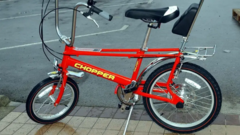
Raleigh Bike Owner Accell Files for Insolvency Protection
The owner of the historic Raleigh bicycle brand, Accell Group, has initiated insolvency proceedings in response to significant financial challenges affecting the global cycling industry. The Raleigh bike owner's decision to pursue this legal protection marks a critical moment for one of the world's most recognized cycling brands, which has maintained its market presence for generations.
Based in the Netherlands, Accell Group acquired the prestigious Raleigh bicycles brand in 2012, incorporating it into its diverse portfolio of cycling manufacturers. This acquisition represented a strategic move to strengthen the company's position in the global bicycle market, combining traditional brand heritage with modern distribution capabilities.
Background of Accell Group's Ownership
Since taking control of Raleigh in 2012, Accell has managed the brand through various market cycles and evolving consumer preferences. The Raleigh bike manufacturer operates across multiple segments, from entry-level commuter bicycles to high-performance cycling equipment, serving customers worldwide through established retail channels and online platforms.
The Dutch parent company's stewardship of Raleigh has focused on maintaining the brand's legacy while adapting to contemporary market demands. However, increasing operational pressures and shifting market dynamics have contributed to the current financial difficulties facing the broader Accell organization.
Market Challenges Affecting the Cycling Industry
The bicycle manufacturing sector has experienced substantial volatility in recent years, reflecting broader economic uncertainties and changing consumer behaviors. Supply chain disruptions, fluctuating raw material costs, and evolving demand patterns have created significant headwinds for major players in the cycling industry.
The Raleigh bike segment specifically has navigated challenges related to inventory management and market competition. As a legacy brand competing alongside emerging manufacturers and established competitors, maintaining profitability has proven increasingly difficult despite the brand's strong heritage and customer loyalty.
Implications for Raleigh Bicycles and Stakeholders
The insolvency filing by Accell, which owns Raleigh, raises important questions about the future of this iconic bicycle brand. Employees, retailers, suppliers, and customers of Raleigh bicycles face uncertainty regarding ongoing operations, product availability, and service continuity.
Insolvency proceedings typically involve restructuring efforts, asset evaluation, and potential reorganization to restore financial viability. For a brand like Raleigh with substantial market recognition, the outcome of these proceedings could determine whether the company emerges as a restructured entity or faces alternative ownership scenarios.
Future Outlook for the Brand
The Raleigh bike brand's future depends on the outcome of Accell's insolvency process and potential strategic decisions by stakeholders. Various outcomes are possible, including operational restructuring, asset sales, or acquisition by other market participants interested in the Raleigh bicycle brand's extensive distribution networks and customer base.
Industry observers note that despite current financial challenges, the Raleigh bicycles brand retains significant value through its established reputation, manufacturing capabilities, and market presence. The resolution of Accell's insolvency proceedings will likely influence the cycling market's competitive landscape and brand consolidation trends in the coming months.
Stakeholders including retailers, suppliers, and consumers of Raleigh bicycles are monitoring developments closely as the situation unfolds. The broader impact on the bicycle industry will depend on how successfully the company navigates this challenging period and whether alternative strategic arrangements can be established to preserve this historic brand's operations.


