Police Leadership Crisis: Nepotism and Bias Undermine UK Law Enforcement
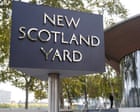
Government Report Exposes Systemic Issues in Police Leadership
A comprehensive government-backed inquiry into policing structures has uncovered serious concerns regarding nepotism and bias in police leadership across England and Wales. The investigation reveals that institutional problems have compromised the effectiveness of law enforcement agencies and created barriers to merit-based advancement within police forces. This nepotism and bias extends across multiple levels of command, affecting organizational culture and operational performance.
Key Findings from the Blunkett-Led Inquiry
The inquiry, co-chaired by former Home Secretary David Blunkett, has compiled extensive evidence demonstrating a troubling pattern of preferential treatment and discriminatory practices within senior police ranks. The investigation found that nepotism and bias have become embedded in recruitment and promotion procedures, allowing certain individuals to advance through connections rather than demonstrated competence or merit.
According to the report, the systemic nature of these problems indicates that comprehensive reform measures are urgently required to restore public confidence in police leadership. The findings suggest that multiple senior officers are now facing formal misconduct inquiries as a direct result of the investigation's revelations.
Loss of Focus on Core Policing Functions
Beyond issues of nepotism and bias, the inquiry identified a concerning trend whereby senior police leadership has progressively lost focus on fundamental crime-fighting objectives. The report emphasizes that this shift in priorities has diverted resources and attention away from public safety initiatives that form the foundation of effective policing.
David Blunkett's team discovered that institutional bureaucracy and internal political considerations have increasingly dominated decision-making processes at the highest levels of command. This erosion of focus on operational crime prevention has resulted in inconsistent enforcement strategies and reduced effectiveness in tackling serious criminal activity across England and Wales.
Standards and Accountability Challenges
The investigation highlights widespread deficiencies in professional standards across police leadership structures. Low standards in accountability mechanisms have allowed problematic behavior to persist unchecked, contributing to the broader culture that enabled nepotism and bias to flourish. The report emphasizes that existing oversight systems have proven insufficient to address these institutional failings.
Multiple recommendations within the inquiry call for strengthened internal governance structures and enhanced transparency in decision-making processes. These proposed reforms aim to establish clearer pathways for reporting misconduct and ensuring that allegations of nepotism and bias receive thorough, impartial investigation.
Comprehensive Reform Requirements
The Blunkett-led inquiry concludes that a complete reset of policing structures is necessary at all organizational levels. This encompasses everything from frontline supervision to executive command positions. The report advocates for fundamental changes to how officers are selected, trained, and promoted within the police service.
Proposed reforms include the implementation of transparent merit-based assessment frameworks, independent oversight of promotion processes, and regular audits to identify and eliminate bias from personnel decisions. The inquiry suggests that addressing nepotism and bias requires not only procedural changes but also cultural transformation within police organizations.
Impact on Public Confidence and Police Legitimacy
The revelations regarding nepotism and bias in police leadership have significant implications for public trust in law enforcement institutions. Citizens expect police leadership to be held to the highest ethical and professional standards, and breaches of these expectations undermine confidence in the entire criminal justice system.
The government-backed report acknowledges that restoring public faith in police leadership requires transparent acknowledgment of problems, decisive action against misconduct, and visible commitment to implementing recommended reforms. Without substantial changes to address identified issues of nepotism and bias, police organizations risk further erosion of legitimacy and public cooperation.
Moving Forward: Implementation and Oversight
The inquiry's recommendations require coordinated action across police forces, the Home Office, and independent oversight bodies. Success in addressing nepotism and bias will depend on sustained commitment to reform implementation and rigorous monitoring of progress. The report indicates that accountability mechanisms must be strengthened to ensure that senior leaders are held responsible for maintaining the highest standards of integrity and impartiality in their organizations.