
Pentagon Shifts Strategy: Drone-Equipped Warships Replace Aging Destroyer Fleet
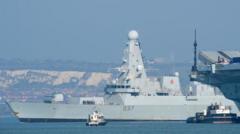
Strategic Pivot Towards Drone-Equipped Warships
The Department of Defense has announced a significant strategic shift in its naval modernization approach, choosing to prioritize drone-equipped warships over the traditional replacement of aging destroyer vessels. This decision marks a fundamental change in how the military will allocate resources for maintaining maritime superiority in the coming years.
Rather than continuing down the conventional path of building new destroyer-class ships to replace existing fleet assets, military planners have determined that drone-equipped warships represent a more cost-effective and strategically advantageous investment. The shift reflects evolving assessments of 21st-century naval warfare and the growing importance of unmanned systems in maritime operations.
Understanding Drone-Equipped Warships Technology
Drone-equipped warships represent the next generation of naval vessels designed to operate autonomous and semi-autonomous systems for reconnaissance, surveillance, and combat operations. These vessels integrate advanced sensor networks, artificial intelligence capabilities, and remote control systems that enable operators to conduct complex missions with reduced crew requirements.
The integration of drone technology into naval platforms offers several operational advantages. First, drone-equipped warships can extend the reach of traditional naval forces by deploying unmanned aircraft and underwater vehicles across larger areas. Second, they reduce the risk exposure to personnel by enabling remote operations in hostile environments. Third, the automated systems and reduced crew sizes translate into lower operational costs compared to conventional destroyers.
Why the Pentagon Abandoned Traditional Destroyer Replacement
The Navy has historically replaced aging destroyers with newer models featuring updated weapons systems, improved radar capabilities, and enhanced defensive mechanisms. However, this traditional approach requires substantial capital investment and maintains a crew-intensive operational model that has become increasingly expensive to sustain.
Military strategists have recognized that the modern threat landscape extends beyond traditional naval engagements. Asymmetrical warfare, cyber threats, and distributed operations require different platform capabilities than those offered by conventional destroyer-class ships. Drone-equipped warships address these emerging challenges more effectively by providing adaptability and flexibility that rigid destroyer designs cannot match.
Financial Implications of the Defense Investment Plan
The upcoming defense investment plan allocates significant funding towards developing and deploying drone-equipped warships technology across the fleet. This budgetary decision reflects a broader recognition that innovation in autonomous systems and unmanned platforms provides superior value for defense dollars spent.
By redirecting funds that would have supported traditional destroyer construction programs, the Pentagon can invest in multiple drone-equipped warship platforms and supporting infrastructure. This distributed approach to naval capability development spreads investment risk and accelerates the integration of advanced technologies into operational units.
Timeline and Implementation Strategy
The transition to drone-equipped warships will not occur immediately. The Navy will continue operating existing destroyers while simultaneously developing and testing new autonomous platform designs. This phased approach ensures operational continuity while allowing time to train personnel in managing drone-equipped warships systems and addressing technical challenges that emerge during the transition period.
Initial deployment of drone-equipped warships will focus on specific operational areas where unmanned systems provide the greatest tactical advantage. Lessons learned from early operations will inform subsequent procurement decisions and capability enhancements across the broader fleet.
Future of Naval Warfare and Maritime Security
The strategic choice to prioritize drone-equipped warships signals the Navy's commitment to maintaining technological superiority as adversaries develop competing unmanned systems. This proactive investment ensures that American naval forces remain capable of dominating maritime domains regardless of how potential conflicts might evolve.
The shift towards drone-equipped warships also reflects recognition that future naval operations will likely involve coordinated networks of manned and unmanned platforms rather than individual ships operating independently. This networked approach enables information sharing, coordinated targeting, and distributed operations that provide tactical advantages in complex threat environments.
Conclusion
The government's decision to invest in drone-equipped warships instead of replacing aging destroyers represents a landmark shift in naval strategy and defense spending priorities. This modernization approach positions the military to address 21st-century security challenges while optimizing spending efficiency in an era of fiscal constraint. As the Pentagon implements this transition, drone-equipped warships will increasingly define the character and capability of future naval operations.


