Nobby Stiles: World Cup Legend's Death Linked to Football
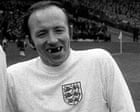
World Cup Winner's Death Attributed to Heading-Related Brain Injury
A coroner has officially determined that Nobby Stiles, the legendary England midfielder and 1966 World Cup champion, passed away due to a progressive brain condition directly linked to the repeated heading of footballs throughout his professional career. This ruling marks a significant moment in understanding the long-term health consequences faced by athletes in football's earlier eras.
Stiles, who earned international recognition for his crucial role in England's triumphant 1966 World Cup campaign, died in 2020. However, authorities failed to initially report his death to the coroner's office, which delayed the formal investigation into the circumstances surrounding his passing. The subsequent inquiry has now provided clarity on the medical factors that contributed to his demise.
A Tenacious Midfielder's Legacy and Health Struggles
Known for his aggressive, hard-tackling style of play, Stiles became renowned throughout his football career for his unwavering commitment on the pitch. Geoff Hurst, his World Cup-winning teammate, famously described him as the "heart and soul" of the 1966 squad that delivered football's greatest prize to England. His contributions to the national team and Manchester United solidified his place in football history as one of the sport's most respected competitors.
Despite his celebrated status in the sport, Stiles's later years were marked by deteriorating health conditions. The coroner's investigation has now confirmed that these health issues stemmed from occupational exposure during his playing days—specifically, the cumulative impact of heading a football repeatedly over decades of professional competition.
The Connection Between Football and Neurological Damage
The coroner's ruling regarding Nobby Stiles underscores growing medical evidence linking football-related activities to brain conditions. Scientists and medical professionals have increasingly documented the relationship between repeated heading and long-term neurological consequences, particularly in athletes who played during periods when protective standards and awareness were minimal.
Heading was a fundamental skill taught to footballers throughout Stiles's era, and players performed this action dozens of times during matches and training sessions without consideration for potential cumulative damage. The lack of protective equipment or medical guidelines regarding safe heading practices meant that many players of his generation remained exposed to repetitive impacts that could affect brain health over time.
Administrative Delays in the Investigation Process
One significant aspect of this case involves the administrative failure to properly report Stiles's death to the coroner when he passed away in 2020. This delay meant that a formal investigation into the causes of his death did not commence immediately, extending the period before his family and the public gained clarity regarding the specific factors that led to his passing.
The eventual coroner's investigation has now rectified this oversight, providing an official record and medical determination about the relationship between Stiles's football career and his final illness. This process highlights the importance of proper reporting procedures and the role of coroners in establishing clear medical facts in cases involving prominent individuals.
Implications for Football History and Player Welfare
The coroner's determination that Nobby Stiles died from a brain condition caused by heading footballs has broader implications for the sport. It adds to the growing body of evidence suggesting that professional footballers, particularly those from earlier generations, may face heightened risks of neurological problems linked to their careers.
This finding may influence discussions about player safety, training practices, and medical standards in football. As the sport continues to evolve, increased awareness of such health risks could lead to modified heading protocols, improved protective measures, and better long-term health monitoring for current and former players.
Remembering a Football Icon
While the coroner's ruling provides medical clarity, Nobby Stiles's legacy as a World Cup winner and dedicated footballer remains central to his story. His contributions to England's 1966 triumph continue to inspire new generations of players and fans alike. The circumstances of his death serve as a poignant reminder of the physical toll that professional football can exact on its athletes, particularly those who played when medical understanding and protective practices were far less advanced than they are today.