NHS Urges Screening for PMOS in Women With Irregular Periods
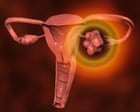
NHS Recommends PMOS Screening for Women With Irregular Periods
New health authority guidance emphasizes the critical importance of identifying and managing polyendocrine metabolic ovarian syndrome in women experiencing menstrual irregularities. The NHS has highlighted that PMOS screening should become a standard practice for approximately 4 million women across the United Kingdom who present with inconsistent period patterns. This updated approach aims to address significant gaps in diagnosis and treatment protocols that have persisted for years.
Polyendocrine metabolic ovarian syndrome, formerly recognized as polycystic ovarian syndrome, represents one of the most prevalent endocrine conditions affecting women of reproductive age. Despite its widespread impact, the condition remains substantially underdiagnosed and managed inconsistently across healthcare settings. The recent NHS guidance signals a transformative shift in how medical professionals should approach women presenting with menstrual cycle abnormalities.
Understanding PMOS Prevalence and Global Impact
According to the World Health Organization, polyendocrine metabolic ovarian syndrome affects approximately 13% of all women during their reproductive years, translating to millions of individuals worldwide who require proper diagnosis and ongoing care. This substantial prevalence underscores why systematic screening protocols have become essential components of women's healthcare. The condition's widespread nature means that healthcare providers encounter PMOS patients regularly, yet many cases remain unidentified or inadequately managed.
The global health organization's statistics demonstrate that PMOS represents far more than a minor gynecological concern. The prevalence figures suggest that nearly one in every eight women of reproductive age may experience symptoms associated with polyendocrine metabolic ovarian syndrome. Such numbers justify the NHS's proactive stance in recommending comprehensive screening initiatives for all women presenting with irregular menstrual patterns.
Current Diagnostic Challenges and Inconsistent Management
One of the primary concerns outlined in recent health authority documents involves the inconsistent manner in which PMOS is diagnosed and managed across different healthcare facilities. Many women receive varied recommendations despite presenting with identical symptoms, suggesting a lack of standardized protocols. This fragmentation in clinical practice has resulted in delayed diagnoses, missed treatment opportunities, and inadequate management strategies for countless patients.
The underdiagnosis of polyendocrine metabolic ovarian syndrome stems from multiple factors, including limited awareness among healthcare providers, absence of unified diagnostic criteria until recently, and the condition's variable presentation across different patient populations. Women may visit multiple healthcare professionals before receiving an accurate PMOS diagnosis, experiencing frustration and continued symptoms throughout this prolonged diagnostic journey.
Benefits of Early PMOS Screening and Detection
Identifying polyendocrine metabolic ovarian syndrome early through comprehensive screening offers substantial benefits for affected women. Early detection enables healthcare providers to implement appropriate interventions promptly, potentially preventing long-term complications and improving quality of life. Women diagnosed with PMOS gain access to targeted treatment strategies that address their specific symptoms and underlying metabolic abnormalities.
The implications of timely PMOS screening extend beyond immediate symptom management. Early identification allows women to understand the condition's impact on their fertility, metabolic health, and cardiovascular risk factors. This knowledge empowers patients to make informed decisions about family planning, lifestyle modifications, and preventive healthcare measures.
NHS Guidance Implementation and Recommendations
The new NHS guidance provides healthcare professionals with updated recommendations for evaluating women presenting with irregular periods. These guidelines emphasize systematic assessment of PMOS risk factors and establishment of consistent diagnostic protocols across all healthcare settings. Implementation of these recommendations promises to streamline the diagnostic process and ensure that women receive timely, appropriate care.
Healthcare providers following the updated guidance will conduct comprehensive evaluations of women experiencing menstrual irregularities, considering polyendocrine metabolic ovarian syndrome as a primary diagnostic consideration. This systematic approach contrasts with previous practices where PMOS screening occurred inconsistently or only after alternative explanations for irregular periods had been ruled out.
Supporting Women Through PMOS Management
Beyond diagnosis, effective management of polyendocrine metabolic ovarian syndrome requires coordinated care involving healthcare professionals from multiple disciplines. The NHS guidance promotes collaborative approaches that address hormonal imbalances, metabolic dysfunction, and fertility concerns simultaneously. Women benefit from comprehensive support that encompasses medical intervention, lifestyle counseling, and psychological support.
The renewed emphasis on identifying and managing PMOS reflects healthcare's evolving commitment to women's wellbeing and gender-specific health considerations. As awareness grows regarding polyendocrine metabolic ovarian syndrome's prevalence and impact, healthcare systems increasingly recognize the necessity for standardized, evidence-based approaches to diagnosis and treatment.