NHS Trust Report: Unnecessary Breast Removals in Cancer Treatment
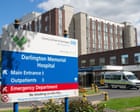
Unnecessary Breast Removals at NHS Trust Revealed
A significant medical oversight has come to light regarding unnecessary breast removals among patients receiving cancer care at a prominent NHS facility in north-east England. The County Durham and Darlington foundation trust (CDDFT) has acknowledged that unnecessary breast removals occurred during treatment at its dedicated breast unit, affecting a substantial number of women seeking cancer care through the health service.
According to reports, approximately twenty women underwent mastectomy procedures that were not clinically warranted. These cases represent part of a broader pattern of patient harm documented at the institution's breast unit, raising serious questions about clinical decision-making and quality assurance protocols within the department.
Scope of the Healthcare Incident
The unnecessary breast removals case is not isolated to a small number of affected individuals. Healthcare officials at the County Durham and Darlington foundation trust confirmed to media outlets that hundreds of patients experienced some form of harm during their treatment at the breast unit. This disclosure indicates systemic issues that extended beyond individual clinical errors or isolated incidents of concern.
The scale of unnecessary breast removals alongside broader patient harm suggests potential deficiencies in diagnostic protocols, surgical decision-making frameworks, or quality oversight mechanisms within the department. Such revelations prompt urgent examination of how clinical decisions were validated and approved before procedures were performed on vulnerable cancer patients.
Patient Impact and Clinical Concerns
Women undergoing cancer treatment place significant trust in their healthcare providers to make evidence-based clinical decisions. The discovery that unnecessary breast removals occurred represents a profound breach of that trust. Beyond the immediate physical impact of surgical intervention, unnecessary procedures carry psychological consequences and can complicate future medical treatment options for patients.
Mastectomy procedures, while sometimes necessary in cancer treatment, carry considerable physical and emotional implications for patients. When these unnecessary breast removals occur without clear clinical justification, they represent a serious failure in the duty of care owed to vulnerable individuals navigating cancer diagnosis and treatment.
Questions About Clinical Standards
The unnecessary breast removals documented at the NHS trust raise fundamental questions about the clinical standards applied during treatment planning. Healthcare facilities are expected to maintain rigorous protocols ensuring that surgical interventions align with current evidence-based guidelines and individual patient circumstances.
Several critical aspects warrant investigation: whether second-opinion processes were consistently implemented before major surgical decisions, how pathology findings were reviewed and interpreted, and what quality assurance mechanisms were in place to prevent unnecessary interventions. The unnecessary breast removals incident suggests potential gaps in one or more of these protective measures.
Broader Healthcare Implications
The County Durham and Darlington foundation trust's acknowledgment of widespread patient harm extends beyond the specific cases of unnecessary breast removals. The fact that hundreds of patients experienced harm during breast unit treatment indicates systemic rather than isolated problems. This distinction is crucial for understanding what reforms and interventions may be necessary to prevent recurrence.
Healthcare systems rely on continuous quality improvement, transparent reporting of adverse events, and swift corrective action when problems emerge. The unnecessary breast removals case serves as a stark reminder of the importance of maintaining robust oversight and accountability within specialized medical units.
Response and Accountability
When patients suffer harm through unnecessary breast removals or other adverse medical events, accountability and transparency become paramount. Healthcare providers have obligations not only to affected individuals but to the broader public trust in the NHS system.
The acknowledgment by the County Durham and Darlington foundation trust regarding unnecessary breast removals and widespread patient harm represents a necessary step toward accountability. However, acknowledging problems must be followed by comprehensive investigations, detailed explanations to affected patients, appropriate compensation where warranted, and systematic changes to prevent similar occurrences.
Moving Forward
The unnecessary breast removals incident at the NHS trust highlights the critical importance of maintaining the highest standards in specialized cancer care facilities. Protecting patients requires vigilance, transparency, and unwavering commitment to evidence-based practice standards. Healthcare organizations must continuously review and strengthen their clinical decision-making processes, peer review mechanisms, and quality assurance frameworks to ensure patient safety and appropriate care delivery.