
Netflix's Wonka Series Draws Criticism Over AI-Synthesized Gene Wilder Audio
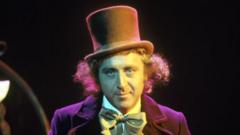
Netflix Wonka Series Encounters Public Backlash Over Artificial Intelligence Voice Recreation
Netflix's highly anticipated Wonka series has sparked significant debate within the entertainment community and among viewers after the streaming platform employed artificial intelligence technology to recreate the distinctive voice of the late actor Gene Wilder. The AI-generated Gene Wilder voice marks a controversial milestone in how major media platforms approach legacy content and digital preservation of iconic performers.
The decision to implement this cutting-edge audio synthesis technology has ignited discussions about the ethics of reproducing a deceased performer's voice without their direct participation. Gene Wilder, who passed away in 2016 at the age of 83, became an enduring symbol of whimsical entertainment through his legendary portrayal of Willy Wonka in the 1971 film adaptation of Roald Dahl's classic novel.
Estate Approval and Licensing Framework
According to statements from Netflix and representatives of Gene Wilder's family, the actor's estate provided explicit authorization for the AI-generated Gene Wilder voice to be incorporated into the series. This consent represents a significant shift in how posthumous content creation operates within Hollywood, establishing new precedents for the use of artificial intelligence in recreating performances from deceased talent.
The estate's decision to permit this technology demonstrates the evolving landscape of digital rights and legacy management. However, this approval has not deterred public criticism, as many fans and industry professionals question whether consent alone suffices to justify the use of such technology.
Public Reception and Ethical Concerns
Social media platforms have become filled with commentary from viewers expressing mixed reactions to the AI-generated Gene Wilder voice featured throughout the Netflix series. Critics argue that while the technology demonstrates impressive advancements in audio synthesis, it raises profound questions about artistic authenticity and the commodification of a performer's identity posthumously.
Industry observers note that this incident represents a pivotal moment for streaming services, production companies, and entertainment guilds to establish clearer guidelines regarding artificial intelligence applications in content creation. The controversy surrounding Netflix's Wonka series highlights the tension between technological innovation and traditional concepts of artistic integrity.
Broader Implications for Digital Performance Recreation
The use of an AI-generated Gene Wilder voice in this Netflix production serves as a case study for how entertainment corporations may leverage emerging technologies in future projects. Voice synthesis technology has advanced considerably, enabling creators to produce remarkably convincing audio representations that can be virtually indistinguishable from original performances.
Industry analysts suggest that this Netflix initiative will likely prompt deeper conversations among actors' unions, estates of deceased performers, and streaming platforms about developing comprehensive frameworks for utilizing artificial intelligence in entertainment production. The acceptance or rejection of such practices could fundamentally reshape how legacy content is created and distributed globally.
Gene Wilder's Enduring Legacy
Gene Wilder remains an irreplaceable figure in cinema history, having created one of the most iconic characters in entertainment through his nuanced and imaginative interpretation of Willy Wonka. His passing in 2016 left a void that many believed could never be adequately filled, making the decision to employ an AI-generated Gene Wilder voice particularly sensitive to longtime admirers of his work.
The Netflix Wonka series represents an ambitious attempt to expand the Wonka universe while honoring the original performer's legacy, though the methodology has proven controversial. This approach demonstrates both the possibilities and limitations of artificial intelligence when applied to recreating performances from cherished entertainment figures.
Looking Forward: Industry Standards and Regulations
As streaming platforms continue exploring artificial intelligence applications, the backlash surrounding Netflix's implementation of an AI-generated Gene Wilder voice may accelerate the development of industry standards and regulatory frameworks. Entertainment unions, estate representatives, and technology companies will likely collaborate to establish clearer guidelines that balance innovation with respect for deceased performers' legacies.
The controversy underscores the need for transparent communication between studios, estates, and audiences regarding the use of synthetic voices and digital recreation technologies in major productions moving forward.


