
Microsoft's Quantum Chip Faces New Scientific Scrutiny
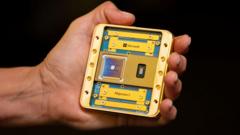
Emerging Challenges to Microsoft's Quantum Computing Initiative
The Microsoft quantum chip has once again become the subject of intense debate within the scientific community, as new concerns emerge regarding the company's ambitious quantum research program. Leading researchers have published additional analyses questioning the validity of Microsoft's much-publicized claims about its Majorana-based quantum computing architecture, reigniting discussions about the legitimacy of these technological breakthroughs.
The Majorana Chip Controversy Explained
Microsoft's quantum chip development centers on Majorana fermions, theoretical particles that the company believes could revolutionize quantum computing. The technology has been a cornerstone of the tech giant's quantum strategy for several years. However, the Microsoft quantum chip project continues to face resistance from skeptical researchers who argue that the evidence supporting these claims remains insufficient and that alternative explanations may better account for the observed phenomena.
Why Scientific Consensus Matters
In the field of quantum computing, achieving consensus among independent researchers is crucial for validating technological advances. The Microsoft quantum chip has not yet achieved this universal recognition, with several prominent scientists questioning both the methodology and the interpretation of results. This ongoing skepticism has prompted calls for more transparent peer review processes and independent verification of the company's findings.
Microsoft's Steadfast Position on Quantum Research
Despite mounting criticism and concerns about the Microsoft quantum chip's validity, the company has demonstrated remarkable resilience in defending its research direction. Executives and research teams at Microsoft have consistently maintained that their Majorana-based approach represents a viable path forward for practical quantum computing applications. The organization has invested substantial resources into this particular quantum computing branch, signaling long-term commitment to the technology.
The company argues that critics may not fully appreciate the complexity of the quantum systems being studied, and that additional time and resources are necessary before definitive conclusions can be drawn. This position reflects broader industry challenges, where quantum computing remains largely theoretical and experimental in nature.
The Broader Quantum Computing Landscape
Microsoft's situation is not unique within the quantum technology sector. Multiple technology companies and research institutions are pursuing different approaches to quantum supremacy, each claiming advantages for their particular methodology. Competitors like IBM, Google, and various academic institutions have taken alternative technical routes, each supported by their own research teams and advocates.
The diversity of approaches reflects genuine uncertainty about which quantum computing architecture will ultimately prove most practical and scalable. This competitive landscape, while sometimes contentious, ultimately benefits the field by encouraging rigorous examination of all proposed solutions.
Expert Skepticism and Its Implications
The newly published scientific concerns about Microsoft's quantum chip highlight fundamental questions about experimental validation in cutting-edge physics. Critics argue that the evidence presented thus far has not definitively demonstrated the existence or functionality of Majorana fermions as described by the company. Without such proof, they contend, claims about the practical applications of this technology remain speculative.
This skepticism extends to questions about reproducibility, a cornerstone principle of scientific methodology. Independent laboratories attempting to replicate Microsoft's results have encountered difficulties that some researchers attribute to flawed experimental design or incorrect data interpretation rather than genuine quantum breakthroughs.
What Happens Next for Quantum Computing Research
The scientific community continues to closely monitor developments in Microsoft's quantum research program. Future publications, peer-reviewed studies, and independent verification attempts will likely play crucial roles in determining whether concerns about the Microsoft quantum chip prove justified or whether the technology ultimately validates the company's claims.
Regardless of Microsoft's specific research direction, the broader quantum computing field continues advancing through multiple parallel research initiatives. The tension between Microsoft's optimistic assessments and scientific skepticism reflects normal dynamics within frontier research, where provisional claims must eventually withstand rigorous scrutiny before achieving widespread acceptance.


