
Lebanese Turtle Protector Mona Khalil Dies in Israeli Military Strike
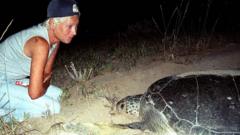
Dedicated Conservationist Mona Khalil Dies from Strike Injuries
Mona Khalil, a prominent Lebanese turtle conservationist and environmental advocate, has tragically passed away after sustaining fatal injuries from an Israeli military strike. The loss of this dedicated professional marks a significant blow to marine conservation efforts in the Eastern Mediterranean region and highlights the severe humanitarian consequences of ongoing regional tensions.
Throughout her career, Khalil demonstrated unwavering commitment to protecting endangered sea turtle populations along Lebanon's coastline. Her work focused on safeguarding critical nesting habitats and raising awareness about the importance of marine biodiversity. Despite mounting security concerns and personal risks, she remained steadfastly devoted to her conservation mission on the beaches where she had invested countless years of research and environmental work.
A Life Dedicated to Marine Protection
Khalil's conservation efforts extended beyond academic research and into practical field work. She had established herself as a respected figure in Lebanon's environmental community, working tirelessly to educate local populations about sea turtle protection and sustainable coastal practices. Her dedication to environmental conservation inspired numerous colleagues and volunteers who shared her vision for preserving marine ecosystems.
The Lebanese turtle conservationist had become known for her refusal to abandon her work despite escalating dangers in the region. When security situations deteriorated, many colleagues fled the area, yet Khalil chose to remain on the beaches she had dedicated herself to protecting. This commitment reflected her deep conviction that environmental work cannot be postponed, even during times of conflict and uncertainty.
Impact on Regional Conservation Efforts
The death of this environmental activist represents a profound loss for marine conservation initiatives throughout the Mediterranean. Her research on sea turtle migration patterns and nesting behaviors had contributed valuable data to international conservation databases. The sudden interruption of her work leaves numerous ongoing projects and studies incomplete, potentially impacting the continuity of important environmental monitoring programs.
Khalil's passing underscores the vulnerability of humanitarian and environmental workers in conflict zones. Many organizations have expressed concerns about the safety risks facing non-combatant professionals, including scientists, researchers, and conservationists who continue essential work despite deteriorating security conditions. The incident raises important questions about the protection of civilian workers engaged in vital environmental and scientific endeavors.
Legacy and International Recognition
Throughout her career, the Lebanese turtle conservationist gained international recognition for her groundbreaking work in marine biology and coastal ecosystem management. Her publications and research presentations contributed significantly to global understanding of Mediterranean turtle populations and their conservation needs. Environmental organizations worldwide acknowledged her expertise and commitment to protecting endangered species.
The death of Mona Khalil has prompted expressions of grief and solidarity from environmental groups, scientific institutions, and conservation networks across multiple continents. Colleagues have described her as a passionate advocate whose work transcended national boundaries and served the broader mission of protecting global biodiversity. Her legacy continues to inspire ongoing conservation efforts dedicated to preserving Lebanon's marine heritage.
Broader Implications for Environmental Work in Conflict Regions
This tragic incident highlights the complicated circumstances facing environmental professionals operating in areas experiencing military conflict. Conservation work often cannot be paused or postponed, yet practitioners face extraordinary risks when security situations deteriorate. The case of Khalil exemplifies the difficult choices that environmental activists and scientists must navigate when personal safety conflicts with professional responsibilities and moral commitments to their work.
International environmental organizations have renewed calls for enhanced protections for civilian workers engaged in conservation and scientific research. The incident serves as a sobering reminder of the costs of regional instability on environmental initiatives and the dedication required from those who choose to continue critical work under dangerous circumstances. Mona Khalil's unwavering commitment to turtle conservation, maintained even as conditions became increasingly perilous, stands as a testament to her character and professional integrity.


