
Israel Launches Attacks on Lebanon as Hezbollah Rejects Ceasefire Framework
Military Operations Resume Following Framework Agreement
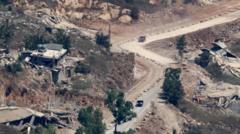
Israel has initiated a series of military strikes targeting southern Lebanon, marking a significant escalation just hours after the two neighboring nations formalized a ceasefire framework. The Israel Lebanon strikes campaign has resulted in at least one confirmed fatality according to Lebanese state media reports, underscoring the fragile nature of recent diplomatic efforts between the two countries.
The timing of these operations raises serious questions about the viability of the newly established agreement, which was intended to bring stability to the volatile border region that has experienced recurring violence for decades. The resumption of Israel Lebanon strikes so soon after signing the framework suggests deep-rooted tensions that diplomatic channels alone may struggle to resolve.
Hezbollah's Strong Condemnation of the Deal
Hezbollah, the Lebanese militant organization and political party, has issued a forceful rejection of the ceasefire agreement, further complicating efforts to establish lasting peace. The organization's stance represents a major obstacle to implementing the framework, as the group maintains significant influence over security matters in southern Lebanon.
The Hezbollah response to the ceasefire framework highlights the complexity of achieving peace when multiple armed factions and political actors hold competing interests. Rather than supporting the agreement signed by Lebanese government officials, Hezbollah has positioned itself as an alternative power center, capable of derailing diplomatic progress through military action or public opposition.
Casualty Reports and Humanitarian Concerns
State media outlets in Lebanon have confirmed that at least one person was killed in the recent Israel Lebanon strikes, though the exact circumstances and the victim's identity remain unclear. These casualties underscore the human cost of continued military tensions in the region, where civilians often find themselves caught between government negotiations and armed group activities.
The resumption of hostilities despite signed agreements raises alarm bells among international observers and humanitarian organizations monitoring the situation. Each escalation cycle increases the risk of broader regional conflict and pushes prospects for genuine peace further into the distance.
Timeline of Recent Diplomatic Efforts
Lebanon and Israel had just completed negotiations on a ceasefire framework agreement, representing months of diplomatic work aimed at reducing violence along their shared border. The framework was supposed to establish mechanisms for de-escalation and prevent future incidents from spiraling into larger conflicts.
However, the almost immediate resumption of military operations suggests that not all parties affected by the agreement support its terms. The Israel Lebanon strikes occurring so quickly after the signing ceremony demonstrate that formal agreements carry limited weight when implemented without consensus from all relevant stakeholders, including armed groups like Hezbollah.
Regional Stability and International Implications
The current situation reflects broader instability throughout the Middle East, where unresolved territorial disputes and competing regional interests continue to fuel cycles of violence. The inability to enforce the ceasefire agreement raises questions about the effectiveness of diplomatic initiatives that exclude major armed organizations.
International observers are monitoring the situation closely, as further escalation could draw in regional and global powers with significant geopolitical interests in maintaining or altering the balance of power in the Eastern Mediterranean and Levantine regions.
Future Prospects for Peace
The prospects for achieving a stable, lasting ceasefire between Israel and Lebanon appear increasingly uncertain given the recent military operations and Hezbollah's condemnation of the framework. Any sustainable peace arrangement will need to secure the cooperation of all major political and military actors, not merely government negotiators.
Moving forward, international mediators and the parties involved will need to address the fundamental concerns that led Hezbollah to reject the agreement. Without inclusive dialogue that incorporates the grievances and interests of all stakeholders, additional cycles of Israel Lebanon strikes appear likely to continue disrupting efforts toward regional stability and lasting peace.


