
Iran's Leader Absent as Officials Mourn Ayatollah at Funeral
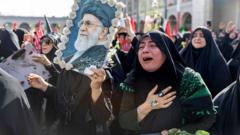
Iran's Supreme Leader Absent at Major State Funeral
Iran's supreme leader has notably failed to appear at a significant funeral ceremony as high-ranking government and military officials gathered to pay their respects. The absence of Iran's supreme leader marks a conspicuous gap in the country's leadership presence during what observers consider a momentous state occasion.
The funeral proceedings brought together numerous senior government figures, military commanders, and religious authorities in a display of official state mourning. However, the most prominent figure in Iran's political hierarchy remained absent from the proceedings, raising questions about the reasons behind the decision to skip the event.
Extended Public Absence of Political Figure
Mojtaba Khamenei, a figure central to Iran's political establishment, has not made any public appearances since an attack that resulted in the death of his father. The incident occurred during the initial phase of the military conflict between the United States, Israel, and Iran, marking a watershed moment in regional geopolitical tensions.
This extended withdrawal from public view represents an unusual development in the political calendar of the nation. Senior government officials have continued their routine duties and public engagements, but the absence of this key political personality has not gone unnoticed by analysts and observers monitoring Iran's internal political dynamics.
Context of the Regional Military Conflict
The attack that triggered these developments occurred against the backdrop of escalating tensions between Western and regional powers. The broader conflict involving the United States and Israel has created significant instability throughout the Middle East, prompting various nations to reassess their strategic positions and military preparedness.
The loss of the senior figure has reverberated through Iran's political and religious establishment, with institutions and organizations throughout the country acknowledging the passing. The funeral itself became a focal point for displaying national unity and demonstrating the continuity of Iran's governmental structures despite the challenging circumstances.
Senior Officials' Participation and Symbolism
The attendance of Iran's most prominent officials at the funeral underscored the significance placed on formal state ceremonies within the Islamic Republic. High-ranking military commanders, government ministers, and religious leaders all participated in the proceedings, signaling their commitment to maintaining institutional stability during a period of external pressure.
The gathering represented an opportunity for Iran's leadership to demonstrate cohesion and resolve in the face of external challenges. The ceremony included traditional religious observances and formal protocols befitting a figure of considerable importance within Iran's political hierarchy.
Political Implications and Future Developments
The continued absence of this prominent political figure from public life raises important questions about Iran's leadership succession and political decision-making processes. Observers and international analysts have begun speculating about the potential implications for Iran's domestic governance and foreign policy orientation.
The funeral ceremony itself proceeded with dignity and formality, reflecting the traditions and customs deeply embedded in Iran's religious and political culture. However, the notable absence of Iran's supreme leader remained the most striking aspect of the proceedings, dominating discussions about the event's significance.
As developments continue to unfold in the region, the question of when this prominent political personality might resume public activities remains unanswered. The timing of the reappearance of this figure could have substantial implications for Iran's internal political landscape and its international relations during this volatile period.


