Iran Proposes Opening Strait of Hormuz Within Six Days
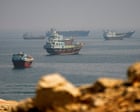
Iran's Strategic Proposal on Strait of Hormuz
Iran has presented a comprehensive proposal centered on opening the Strait of Hormuz, one of the world's most critical maritime passages, contingent upon significant concessions from the United States. The offer outlines a structured timeline that would see the Strait of Hormuz open within six days, followed by the commencement of nuclear program negotiations just one day later. This initiative reflects Tehran's willingness to engage in accelerated diplomatic discussions with the Trump administration, provided that specific conditions are met regarding sanctions relief and regional stability.
Conditions for Implementation
The Iranian government has established three fundamental requirements for proceeding with this initiative. First, the United States must lift all sanctions imposed on Iran's oil exports, which have severely impacted the nation's economic capacity. Second, the US must commit to ending military operations across all regional fronts, with particular emphasis on ceasing involvement in conflicts within Lebanon and other areas. Third, Washington must facilitate the release of Iran's frozen assets, which have been immobilized as a result of international financial restrictions and sanctions regimes.
Connection to June's Memorandum of Understanding
This proposal builds directly upon the framework established in the memorandum of understanding signed by both nations in June. The current initiative is designed to accelerate the implementation of those previously negotiated terms, particularly by expediting the timeline for nuclear program discussions. Rather than following the extended negotiation schedule initially agreed upon, Iran's proposal would compress these negotiations into a significantly shortened timeframe, allowing both parties to address nuclear issues with greater urgency and efficiency.
The Significance of the Strait of Hormuz
The Strait of Hormuz represents a vital chokepoint in global energy markets, with millions of barrels of oil transiting through its waters daily. Control and access to this waterway carry enormous geopolitical and economic implications. Iran's willingness to open the Strait of Hormuz within such a brief timeframe signals a serious commitment to de-escalation and suggests confidence that the negotiation process could yield productive results. The swift timeline also demonstrates Iran's recognition of the urgency felt by international stakeholders regarding maritime security and energy supply stability.
Nuclear Program Negotiations Timeline
The proposed schedule for nuclear talks represents a marked departure from traditional diplomatic timelines. By commencing discussions just one day after the opening of the Strait of Hormuz, Iran indicates its readiness to move swiftly through preliminary phases and enter substantive negotiations. This compressed schedule would require both nations to demonstrate significant political will and preparation, suggesting that considerable groundwork may already be underway behind the scenes.
Awaiting Washington's Response
Iranian officials have confirmed that the proposal has been communicated to the Trump administration, and Tehran is now awaiting a formal response. The ball rests in the US court, with American decision-makers faced with evaluating whether the proposed terms align with their strategic objectives and domestic political considerations. The response will likely reflect broader assessments of US-Iran relations and American priorities in the Middle East.
Regional Implications
Beyond the direct bilateral issues, this proposal carries significant implications for regional stability and international relations. The explicit mention of ending conflicts in Lebanon indicates Iran's concern about multi-front tensions and suggests a desire for comprehensive peace arrangements rather than isolated agreements. Such an approach could provide a pathway toward broader regional de-escalation if accepted by all relevant parties.
Economic and Strategic Considerations
The lifting of sanctions on Iranian oil exports would have far-reaching economic consequences for both Iran and global energy markets. Current restrictions have limited Iran's ability to monetize its significant petroleum reserves, constrained government revenues, and affected regional economic dynamics. Conversely, increased Iranian oil supply could influence global energy prices and market stability. The US decision on this matter will reflect calculations regarding energy security, alliance relationships with Gulf partners, and broader strategic positioning in the region.