
Iran Claims to Close Strait of Hormuz Amid Israel-Lebanon Tensions
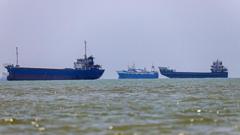
Iran's Controversial Claim on Strait of Hormuz
In a dramatic statement that has raised tensions across the region, Iranian officials announced they have closed the Strait of Hormuz over recent Israeli military operations in Lebanon. The declaration regarding the Strait of Hormuz closure represents a significant escalation in rhetoric amid ongoing hostilities between Israel and Hezbollah-affiliated forces in Lebanese territory.
The Iranian government issued the statement as part of its response to what it characterizes as aggressive actions by the Israeli military against civilian and military targets in Lebanon. Officials in Tehran have framed the closure as a defensive measure and a demonstration of their capacity to disrupt global energy supplies, given that the strategic waterway serves as a critical chokepoint for international oil transportation.
US Military Disputes Iran's Claims
The United States military has publicly challenged Tehran's assertion regarding the Strait of Hormuz, casting doubt on whether Iran possesses the actual capability to enforce such a closure. American defense officials have indicated that there is no credible evidence supporting Iran's claim of successfully blocking the vital shipping route.
This contradiction between Iranian claims and American skepticism underscores the complexity of maritime dynamics in the Persian Gulf region. The US maintains significant naval presence in the area and has historically positioned itself as a guarantor of freedom of navigation through international waters, including the Strait of Hormuz.
Timing and Diplomatic Context
The Iranian announcement arrives at a particularly sensitive moment, occurring just ahead of scheduled negotiations between American and Iranian representatives set to take place in Switzerland on Sunday. These diplomatic discussions represent a potential avenue for de-escalation and dialogue between the two nations, whose relationship has been characterized by decades of mutual suspicion and periodic military confrontations.
The timing of Iran's Strait of Hormuz closure statement raises questions about whether it is intended as a negotiating tactic or a genuine assertion of military intent. Some analysts suggest the declaration may be designed to strengthen Iran's position at the negotiating table by demonstrating resolve and military capabilities.
Strategic Importance of the Strait of Hormuz
The Strait of Hormuz represents one of the world's most critical maritime passages, with approximately one-third of all seaborne traded oil passing through its narrow waters annually. Control over this waterway carries immense geopolitical significance, making any credible threat to close it a matter of international concern affecting energy markets, global commerce, and international security.
Iran has previously threatened closure of the Strait of Hormuz during periods of heightened tensions, particularly in response to economic sanctions and military posturing by Western nations. The Persian Gulf state has occasionally conducted military exercises in the vicinity of the strait, which some observers interpret as demonstrations of capability rather than actual threats.
Regional Context and Broader Implications
The current situation must be understood within the broader context of escalating tensions in the Middle East. Israeli military operations in Lebanon targeting what officials describe as militant infrastructure have resulted in significant casualties and displaced populations. The Lebanese government and international humanitarian organizations have raised concerns about civilian impact.
Iran, as a major regional power with close ties to various armed groups throughout the Middle East, has positioned itself as a supporter of resistance movements against what it characterizes as Israeli aggression and American imperialism. The nation's leadership frequently uses such declarations to consolidate domestic political support and reinforce its image as a powerful actor capable of standing against perceived external threats.
International Response and Energy Market Concerns
Global oil markets have responded to the escalating rhetoric from Tehran, with some analysts noting increased volatility as traders assess the actual risk of disruption to energy supplies. Major petroleum-exporting nations and energy-dependent economies closely monitor developments in the Persian Gulf region, where even rhetorical threats can influence market sentiment and pricing.
European nations, Japan, South Korea, and other significant consumers of Middle Eastern oil have expressed concern about potential disruptions to trade routes. The international community has generally emphasized the importance of maintaining freedom of navigation and respecting established international maritime law.
Looking Ahead: The Switzerland Negotiations
The upcoming talks between American and Iranian officials in Switzerland present a critical opportunity for diplomatic engagement. These discussions will likely address not only the immediate tensions related to the Israel-Lebanon situation but also broader issues affecting bilateral relations, including nuclear negotiations, economic sanctions, and regional stability.
Whether Iran's Strait of Hormuz closure claim will positively or negatively influence these negotiations remains uncertain. Some observers suggest such aggressive rhetoric may harden positions and reduce flexibility, while others argue it demonstrates Iran's determination to defend its regional interests and may strengthen its negotiating position.


