
Infantino Faces 'Non-Cooperation' Ultimatum From Uefa Officials
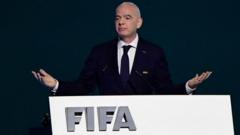
Infantino Under Pressure as Opposition Escalates Demands
Senior officials within European football's governing body have intensified their challenge against Infantino, signaling a potential standoff over his continued leadership of FIFA. According to high-ranking Uefa sources, Infantino critics are now leveraging institutional pressure through coordinated non-cooperation strategies, marking a significant escalation in the ongoing dispute surrounding his administration.
The threat of organized non-cooperation represents a dramatic shift in how opposition groups are addressing their concerns about Infantino's direction of world football's principal regulatory organization. Rather than relying solely on public criticism or formal procedural challenges, these factions are considering systematic withdrawal of collaborative efforts across multiple FIFA initiatives and committees.
Strategic Opposition and Institutional Resistance
The mounting pressure against Infantino reflects deeper divisions within international football governance structures. Sources indicate that the opposition to Infantino encompasses various European football leaders who question his administrative decisions and strategic vision for the organization. These influential figures have reportedly concluded that conventional approaches have proven insufficient, necessitating more assertive tactics.
The potential for non-cooperation could disrupt numerous FIFA operations, from committee work to tournament planning and regulatory implementation. Such coordinated resistance would represent unprecedented institutional friction at the highest levels of global football governance, potentially affecting scheduled operations and policy development across multiple jurisdictions.
Implications for FIFA's Operational Framework
Should opposition groups proceed with formalized non-cooperation measures against Infantino, the consequences could reverberate throughout FIFA's administrative apparatus. Uefa's involvement in such a strategy carries particular weight given European football's prominence in the organization's structure and revenue generation. The potential withdrawal of European cooperation could significantly hamper FIFA's ability to execute key initiatives and maintain operational consistency.
The escalating tensions surrounding Infantino's leadership demonstrate the complex political dynamics within international sports governance. Multiple stakeholders hold competing visions for FIFA's direction, and these fundamental disagreements have apparently reached a critical juncture where traditional negotiation channels appear to have broken down.
Context of Leadership Disputes
Disagreements regarding Infantino's stewardship have been building over time, with critics pointing to various policy decisions, governance structures, and administrative priorities they believe warrant reconsideration. The organization of a coordinated non-cooperation campaign suggests that opposition members have exhausted diplomatic solutions and now view more forceful institutional pressure as necessary to compel changes in leadership or direction.
The threat of non-cooperation also reflects broader questions about accountability and democratic representation within FIFA's governing structures. Opponents argue that Infantino's current tenure has concentrated decision-making power in ways that warrant institutional correction through collective action by member associations and confederations.
Future Developments in FIFA Leadership
The stated intention to employ non-cooperation tactics as leverage indicates that opposition factions are preparing for prolonged institutional conflict unless Infantino voluntarily steps down. This represents a critical moment for FIFA, as the organization navigates increasingly significant pressure from within its own membership structures, particularly from Uefa, which commands substantial influence over FIFA's operations and decision-making processes.
How FIFA and its leadership respond to these non-cooperation threats will likely determine the trajectory of governance discussions in coming months and potentially reshape institutional power dynamics across international football administration.


