
Hospital Fire in Pakistan Claims 14 Infants' Lives Amid Door Access Dispute
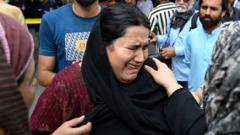
Hospital Fire in Pakistan Claims 14 Infants' Lives
A tragic hospital fire in Pakistan has resulted in the death of 14 babies, sparking significant controversy over facility safety protocols and security measures. The incident has raised critical questions about fire prevention standards and emergency procedures at the medical institution, with witnesses and family members presenting conflicting accounts of what transpired during the emergency evacuation.
Conflicting Accounts Regarding Ward Access
Hospital authorities have denied allegations that the ward door was locked during the hospital fire in Pakistan. According to statements made to international media outlets, hospital officials maintain that security personnel were stationed at the entrance to provide protection for the vulnerable newborns rather than to restrict access. However, multiple witnesses present at the facility during the incident have provided testimonies suggesting otherwise, creating a significant discrepancy in the official narrative.
Security Personnel vs. Physical Barriers
The hospital administration emphasizes that trained security guards were responsible for monitoring entry and exit points throughout the neonatal ward. This approach, they argue, was implemented to ensure only authorized medical personnel and family members could access the sensitive areas where critically ill infants receive intensive care. The institution contends that having human security oversight represents a more flexible and responsive method of managing access compared to automated locking systems.
Witness Testimonies Challenge Official Statements
Eyewitness accounts from individuals present at the facility during the hospital fire in Pakistan paint a different picture of events. Family members and hospital visitors have reported difficulty accessing the ward during the emergency, suggesting that physical barriers or security protocols may have impeded rapid evacuation efforts. These testimonies have intensified scrutiny on the hospital's emergency response procedures and whether adequate measures were in place to ensure swift removal of patients during the crisis.
Impact on Patient Evacuation
The timing and efficiency of emergency response protocols become particularly critical in neonatal care settings, where infants requiring life support equipment face compounded risks during evacuations. Questions regarding whether security arrangements facilitated or hindered rapid access to the ward have become central to ongoing investigations into the incident and discussions about preventing similar tragedies.
Implications for Hospital Safety Standards
The tragedy has prompted broader conversations about fire safety and security balance in healthcare facilities across Pakistan. Medical institutions must simultaneously maintain controlled access to vulnerable patient populations while ensuring that emergency procedures prioritize rapid evacuation when fire or other critical situations occur. This delicate balance remains a significant challenge for hospitals managing intensive care units.
Regulatory Review and Reform Demands
Following the hospital fire in Pakistan, regulatory authorities and healthcare advocacy groups have intensified calls for comprehensive safety audits across all medical facilities in the region. Recommendations include updated fire suppression systems, clearer evacuation protocols, staff training enhancements, and reviews of access control mechanisms to ensure they do not compromise emergency responsiveness.
Supporting Affected Families
The hospital and relevant authorities have initiated support programs for the families affected by this devastating loss. Counseling services, financial assistance, and other forms of aid are being provided to help families cope with their grief while investigations continue into the exact causes and circumstances surrounding the incident.
Path Forward for Healthcare Safety
The incident serves as a critical reminder of the importance of comprehensive emergency preparedness in hospital settings. As investigations progress, findings will likely inform policy changes and operational adjustments throughout healthcare systems in Pakistan, with the goal of preventing similar tragedies in the future and ensuring that all patients receive adequate protection and rapid evacuation capability during emergencies.


