
Hormuz Strait Talks Show Progress Amid Iran's Cautious Stance
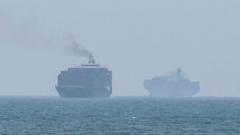
Hormuz Strait Shipping Negotiations Advance with Mixed Signals
Ongoing discussions regarding the Hormuz Strait shipping negotiations have entered a new phase of diplomatic engagement, with Oman emerging as a key mediator in facilitating dialogue between multiple stakeholders. The sultanate has reported encouraging signs of progress in talks aimed at establishing alternative shipping routes and resolving longstanding maritime disputes affecting global trade flows through one of the world's most critical chokepoints.
The strategic importance of the Hormuz Strait cannot be overstated, as approximately one-third of all maritime oil trade passes through its narrow waters annually. Recent diplomatic efforts have focused on creating sustainable agreements that would allow safe passage while addressing security concerns raised by regional players. Oman's role as an intermediary reflects its longstanding position as a neutral party in regional affairs.
Positive Signals from Mediation Efforts
Omani officials have characterized the recent round of Hormuz Strait shipping negotiations as constructive, suggesting that participating nations have demonstrated genuine willingness to explore compromise solutions. These talks address technical aspects of maritime corridors, safety protocols, and commercial arrangements that could benefit international shipping operators relying on this vital passage.
The discussions have reportedly encompassed various proposals designed to reduce tensions and create predictable trading conditions. Both commercial interests and security considerations have featured prominently in these negotiations, with participants attempting to balance economic needs against legitimate safety concerns. The presence of multiple naval powers and merchant marine representatives underscores the global significance of reaching a viable agreement.
Iran's Reserved Position on Strait Access
While Oman highlighted constructive engagement, Iranian officials have issued cautionary statements regarding expectations from potential agreements. Tehran emphasized that any maritime accord would not necessarily result in unrestricted access to the Hormuz Strait shipping routes. Iranian statements suggested that security parameters and national interests would continue shaping the terms under which vessels receive passage authorization.
This position reflects Iran's strategic perspective on maintaining leverage over maritime commerce flows and ensuring that agreements serve national security objectives. The country's statements indicated that formal recognition of Iranian sovereignty and security prerogatives must remain central to any negotiated settlement. Such declarations underscore the complexities involved in reaching comprehensive agreements affecting international waterways where regional powers maintain substantial interests.
Global Shipping Industry Perspectives
International maritime operators and industry analysts have closely monitored these Hormuz Strait shipping negotiations, recognizing that outcomes could significantly impact shipping insurance premiums, route planning, and supply chain resilience. The commercial sector has expressed interest in achieving stable frameworks that reduce uncertainty and operational costs associated with navigating disputed or contested waters.
Stakeholders from Japan, Europe, and other major trading nations have participated indirectly in discussions, either through diplomatic channels or commercial shipping associations. Their involvement reflects widespread recognition that the Hormuz Strait's status directly influences global energy prices, manufacturing supply chains, and international commerce. Industry representatives have advocated for transparent, predictable rules that would minimize disruptions to regular shipping operations.
Current Status and Future Prospects
Current assessments suggest that while substantive discussions continue, fundamental disagreements persist regarding specific implementation mechanisms. The gap between optimistic diplomatic statements and concrete breakthroughs remains significant. Both sides continue exploring areas of potential compromise while maintaining positions on non-negotiable security and sovereignty issues.
The timeline for reaching a definitive agreement remains uncertain, with experts suggesting that additional rounds of negotiations will be necessary to resolve outstanding technical and political questions. Regional geopolitical dynamics, international sanctions regimes, and broader strategic considerations continue influencing the negotiating environment. The Hormuz Strait shipping negotiations therefore represent just one component of larger diplomatic and strategic relationships between regional and international actors.
Implications for Regional Stability
Successful conclusion of these maritime negotiations could contribute meaningfully to broader regional stability initiatives. Enhanced predictability in shipping routes would reduce maritime insurance costs and strengthen confidence among international trading partners. Such outcomes might also create foundations for expanded cooperation on other maritime and security issues affecting regional states.
Conversely, failure to achieve workable agreements could perpetuate uncertainty and maintain elevated tension levels affecting global energy markets and international commerce. The stakes extend beyond immediate commercial interests to encompass broader questions about international law, freedom of navigation, and the role of regional powers in shaping maritime governance frameworks.


