
Hamas Disarmament Plan Brings Complex Path to Gaza Peace Despite Major Hurdles
Complex Pathway to Gaza Disarmament Agreement
A Hamas disarmament plan has emerged as a potential turning point in the protracted Gaza conflict, presenting both unprecedented opportunities and formidable challenges that will test international diplomatic efforts. The framework addresses fundamental questions about weapons control, political legitimacy, and security arrangements that have hindered previous peace attempts.
The Hamas disarmament plan represents one of the most comprehensive proposals for restructuring Palestinian armed movements, yet navigating its implementation requires overcoming entrenched political positions, military realities, and decades of mutual distrust between conflicting parties.
Political Realities Complicating Implementation
Governmental dynamics across the region introduce substantial complexity into any negotiated framework. Multiple stakeholder interests—including international powers, neighboring states, internal Palestinian factions, and Israeli security concerns—create competing priorities that could derail consensus-building efforts.
The political landscape has become increasingly fragmented, with various actors holding veto power over critical components of any agreement. Regional governments maintain distinct strategic objectives, while domestic political pressures within Israeli and Palestinian societies create additional constraints on decision-makers attempting to broker lasting settlements.
The Weight of Armed Conflict Legacy
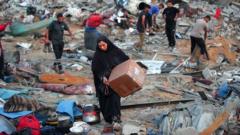
The devastating humanitarian toll from military operations has created deep psychological and societal fractures that transcend traditional diplomatic channels. Thousands of casualties, widespread infrastructure destruction, and generational trauma inform contemporary positions on security arrangements and territorial control.
Gaza's physical destruction extends beyond buildings and infrastructure; it encompasses community trust, institutional capacity, and social cohesion necessary for implementing any disarmament framework. Reconstruction efforts would require parallel progress on political reconciliation and accountability mechanisms that remain contested among principal parties.
Trust Deficit as Central Obstacle
Zero trust environments characterize negotiations when previous agreements have collapsed or been violated by multiple sides. Historical precedents create justified skepticism about enforcement mechanisms, international guarantees, and verification protocols required for credible disarmament implementation.
Building confidence sufficient for weapons hand-over demands credible third-party oversight, transparent monitoring systems, and security guarantees that address legitimate concerns from all participants. Without resolving underlying trust deficits, verification provisions become technical exercises lacking actual enforceability.
Opportunities Within the Framework
Despite formidable obstacles, the Hamas disarmament plan introduces structural possibilities for transforming Palestinian governance toward civilian institutional authority. The framework contemplates transitioning from armed movement to political organization, potentially aligning Palestinian structures with international norms for political representation.
International support mechanisms could provide economic incentives, security sector reform assistance, and humanitarian reconstruction funding contingent upon compliance with disarmament commitments. These incentive structures offer practical pathways for addressing humanitarian needs while establishing accountability for implementation.
Security Architecture Requirements
Any viable disarmament framework must establish credible security alternatives protecting Palestinian populations and Israeli citizens simultaneously. Transitional security arrangements could involve international peacekeeping forces, joint monitoring commissions, and graduated weapons reduction schedules allowing confidence-building during implementation phases.
The security architecture must address asymmetrical power dynamics, Israeli military superiority, and Palestinian vulnerability concerns through inclusive design processes. Neutral technical experts could develop verification protocols, weapons storage solutions, and inspection procedures meeting security standards for all parties while maintaining procedural fairness.
Reconstruction as Confidence Builder
Simultaneous reconstruction initiatives could generate immediate humanitarian benefits while demonstrating commitment to non-military development. Economic cooperation frameworks, joint infrastructure projects, and employment generation programs provide concrete dividends for civilian populations, potentially shifting public sentiment toward supporting peace provisions.
Transparent reconstruction processes overseen by international bodies could employ local labor, rebuild educational institutions, and restore healthcare systems while generating documented progress toward normalization. These visible improvements strengthen political support for disarmament compliance among populations experiencing direct humanitarian benefits.
Path Forward and Realistic Assessment
The Hamas disarmament plan provides structured foundation for negotiations despite acknowledging genuine obstacles requiring sustained diplomatic engagement. Success depends upon sustained international commitment, regional power coordination, and internal political adjustments from principal parties accepting compromise positions.
While comprehensive agreement faces documented challenges, incremental progress through phased implementation, confidence-building measures, and mutual security guarantees offers realistic pathways beyond current impasse. The plan's existence itself signals recognition that military solutions prove insufficient for durable Gaza stability, creating conditional optimism for determined negotiators willing to navigate complexity toward sustainable resolution.


