H5 Bird Flu Reaches Australian Mainland: Critical Wildlife Crisis
H5 Bird Flu Arrives in Australia: Understanding the Crisis
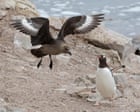
A highly contagious and potentially devastating strain known as H5 bird flu has officially reached the Australian mainland, marking a significant ecological and agricultural concern for the nation. Federal Agriculture Minister Julie Collins announced this weekend that a brown skua found ill in Western Australia succumbed to the H5N1 virus, confirming the arrival of this dangerous pathogen to Australian shores.
What Is H5N1 and How Does It Spread?
The H5N1 virus represents one of the most concerning avian influenza strains globally. This particular variant of H5 bird flu has demonstrated high mortality rates in infected birds and poses substantial risks to both wildlife populations and domestic poultry operations. The virus spreads primarily through direct contact with infected birds, contaminated water sources, and respiratory droplets.
The brown skua that tested positive is classified as a wild migratory bird, a critical detail that explains how H5 bird flu likely reached Australian territory. Migratory species travel vast distances across international borders, serving as natural vectors for viral transmission across continents.
Origins and Geographic Spread
H5N1 has circulated globally for years, originating in Asia and spreading progressively across Europe, Africa, and now to Australia. The virus's appearance on the Australian mainland follows established migration patterns of seabirds that travel between continents seasonally. Scientists have documented similar outbreaks in other regions following the arrival of migratory waterfowl and seabirds carrying the pathogen.
Human Health Risks: Should We Be Concerned?
While H5 bird flu primarily affects avian species, human transmission remains a critical concern for public health authorities. Currently, human-to-human transmission is extremely rare, and most human infections have resulted from direct exposure to infected birds or contaminated environments. Health officials emphasize that the general population faces minimal risk when practicing standard hygiene measures and avoiding direct contact with sick or deceased birds.
However, healthcare workers, agricultural professionals, and wildlife handlers must exercise heightened caution. Australia's health authorities are implementing surveillance protocols to monitor for any potential human cases and to track the virus's progression through wildlife populations.
Agricultural and Livestock Implications
The confirmation of H5 bird flu in Australia has triggered immediate concerns within the agricultural sector. Commercial poultry operations, including chicken and turkey farms, face elevated biosecurity risks. The poultry industry has implemented enhanced quarantine measures and health screening protocols to prevent H5N1 from spreading to domestic flocks.
Egg production, meat supply chains, and export markets may experience disruptions if the outbreak spreads to farming operations. Australia's agricultural authorities have established emergency response frameworks and are coordinating with regional producers to establish containment zones and surveillance areas.
Wildlife Impact and Environmental Consequences
For Australia's unique and fragile wildlife ecosystems, H5 bird flu represents a genuine emergency. Native bird populations, particularly seabirds and waterfowl, face significant mortality risks from this highly pathogenic virus. Species already threatened by habitat loss and climate change now confront an additional existential threat.
Conservation experts warn that widespread H5 bird flu infection could devastate already vulnerable populations of endemic and migratory species. The virus may establish itself in Australian wildlife, creating persistent ecological disruption and complicating long-term conservation efforts for native birds.
Government Response and Monitoring
Australian authorities have mobilized rapid response teams to investigate the situation, monitor wildlife populations, and establish surveillance networks across potential infection zones. The Department of Agriculture and regional wildlife agencies are coordinating efforts to identify and track additional cases.
Public communication campaigns encourage citizens to report sick or deceased birds to appropriate authorities rather than handling them directly. This approach protects both human health and enables epidemiological tracking of the virus's progression.
What Happens Next?
The confirmation of H5 bird flu in Australia initiates a critical phase of disease monitoring and outbreak management. Experts anticipate that additional cases in wild bird populations are likely, particularly among migratory species during seasonal movements. The coming weeks and months will determine whether the outbreak remains contained to isolated wildlife cases or spreads to agricultural operations.
Preparedness remains essential as Australia faces this emerging infectious disease challenge. Continued surveillance, rapid response capabilities, and coordinated communication between agricultural, environmental, and health authorities will be crucial in managing this wildlife emergency effectively.