
Glacier Collapse Triggers Catastrophic Nepal-Tibet Floods
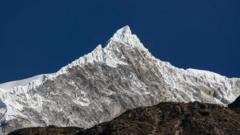
Glacier Collapse Identified as Primary Cause of Devastating Floods
A glacier collapse has been identified by scientific researchers as the catastrophic trigger behind the recent devastating floods affecting Nepal and Tibet. This significant discovery underscores the urgent environmental challenges posed by rapidly melting Himalayan ice formations and the increasing vulnerability of alpine regions to climate-related disasters.
The investigation into this glacier collapse represents a critical turning point in understanding how climate change directly impacts mountain communities across South Asia. Preliminary findings from research teams demonstrate the interconnection between accelerating ice melt and the frequency of destructive flooding events that threaten populated areas downstream.
Understanding the Mechanism Behind the Disaster
The process leading to this glacier collapse involved multiple environmental factors working in combination. As temperatures in the Himalayan region continue to rise at rates exceeding global averages, glacial ice experiences unprecedented stress and structural weakness. When these conditions reach critical thresholds, the potential for catastrophic failures increases exponentially.
Scientists have documented how the glacier collapse released massive volumes of water and debris into valley systems with minimal warning. The resulting flood event cascaded through multiple tributaries, affecting communities across Nepal and Tibet simultaneously. This phenomenon demonstrates the transnational nature of climate-related hazards in mountainous terrain.
Rapid Himalayan Ice Melting and Climate Change
The broader context of this glacier collapse reflects concerning trends in Himalayan ice behavior. Over recent decades, scientists have observed accelerating rates of ice sheet retreat and thinning across the entire mountain range. These changes are directly attributable to global warming patterns that have intensified warming cycles in high-altitude environments.
Himalayan glaciers serve critical functions beyond their visual prominence in the landscape. These frozen reservoirs regulate water availability for billions of people across South and Southeast Asia. When ice masses undergo rapid degradation, the consequences ripple through agricultural systems, hydroelectric infrastructure, and drinking water supplies for downstream populations.
Implications for Regional Water Security
The connection between glacier collapse and flooding events raises fundamental questions about water resource management in the region. Communities have historically relied on predictable seasonal patterns of meltwater flow. However, as glacial systems destabilize, these patterns become increasingly unpredictable and potentially dangerous.
Research teams emphasize that this disaster serves as a warning about the need for enhanced monitoring systems throughout Alpine regions. Early detection capabilities could provide crucial advance notice for evacuation procedures and emergency preparedness measures in vulnerable communities.
Scientific Investigation and Future Monitoring
Detailed scientific examinations of the collapse site are yielding valuable data about glacial dynamics and failure mechanisms. Researchers are deploying advanced remote sensing technologies and field measurements to assess structural vulnerabilities in other Himalayan glaciers. These investigations aim to identify other locations at elevated risk for similar catastrophic events.
The preliminary findings from this investigation contribute to broader scientific understanding of glacier stability under climate change conditions. International research collaborations between Nepali, Tibetan, and global scientific institutions are enhancing analytical capabilities and response frameworks for future incidents.
Long-Term Environmental and Human Dimensions
Beyond the immediate aftermath of flooding, scientists recognize this event as symptomatic of fundamental environmental transformations underway in the Himalayan ecosystem. The glacier collapse represents one manifestation of how climate change is physically reshaping mountain geography and creating new hazard patterns.
Communities must adapt to these changing conditions through improved infrastructure resilience and updated emergency protocols. Understanding the mechanisms behind glacier collapse facilitates better prediction models and risk assessment frameworks for vulnerable populations living in proximity to remaining ice masses.


