
Gianni Infantino Dismisses European Backlash Over Trump Intervention
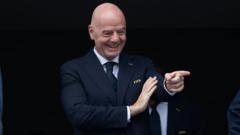
Gianni Infantino's Position Remains Secure Despite Growing Criticism
The FIFA president Gianni Infantino appears largely unaffected by mounting European backlash regarding his handling of recent diplomatic interventions. Despite a decade leading world football's governing body, internal tensions and external pressure have done little to shake his firm grip on the organization.
Political tensions between FIFA leadership and European football authorities have intensified in recent months. However, observers suggest that Gianni Infantino's entrenched position within FIFA's executive structure provides substantial insulation from these challenges.
The Folarin Balogun Controversy and Its Limited Impact
The Folarin Balogun case emerged as a focal point for critics questioning FIFA's decision-making processes. The controversy highlighted jurisdictional disputes between national football associations and international regulatory frameworks. Nonetheless, the incident appears unlikely to substantially diminish Gianni Infantino's authority or influence over FIFA's operations.
European football federations have expressed concerns about the handling of player eligibility matters. Their collective grievances suggest a broader dissatisfaction with FIFA's administrative direction. Yet internal politics within the organization continue operating largely in Infantino's favor.
External Pressure and International Diplomacy
The involvement of external political figures in football matters has sparked considerable debate across European nations. These interventions have raised questions about FIFA's independence and decision-making autonomy. Gianni Infantino has historically maintained diplomatic relationships across multiple political spheres, which appears to strengthen rather than weaken his institutional position.
Some analysts suggest that Gianni Infantino's approach to international relations deliberately incorporates various stakeholders, creating complex webs of mutual interest and obligation. This strategy has proven effective in maintaining his leadership stability.
FIFA's Institutional Structures Support Continued Leadership
The FIFA president operates within organizational frameworks designed to provide considerable executive authority. Constitutional provisions and voting mechanisms within FIFA's governance structure favor incumbent leadership. Gianni Infantino has successfully navigated previous controversies through institutional leverage and strategic alliance-building.
His ten-year tenure demonstrates remarkable political resilience. Throughout his presidency, numerous disputes have emerged between FIFA and continental confederations, particularly UEFA. Yet Gianni Infantino has consistently emerged with his authority intact.
European Opposition: Significant But Ultimately Limited
UEFA and its member associations represent powerful voices in global football governance. However, their influence within FIFA's decision-making structures remains constrained by voting distributions and procedural rules. While European criticism attracts media attention, it has historically translated into minimal institutional consequences.
The disconnect between European football governance preferences and FIFA's operational direction reflects deeper structural tensions. Nevertheless, these tensions have not produced viable political alternatives to Gianni Infantino's leadership.
Outlook for FIFA Leadership Stability
Observers monitoring FIFA governance dynamics suggest minimal probability of significant institutional change. Gianni Infantino's position appears secure for the foreseeable future, regardless of European opposition levels. Previous crises within FIFA generated similar criticism, yet institutional momentum continued favoring existing leadership structures.
The FIFA president maintains support from confederations and national associations outside Europe. This geographically distributed backing provides counterbalance to European concerns. Gianni Infantino's strategic positioning within global football governance remains fundamentally resilient despite contemporary diplomatic tensions.


