Germany's Coal Power Resurgence Amid Energy Crisis
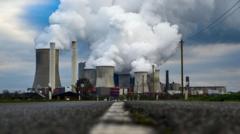
Germany's Changing Stance on Coal Electricity
Coal power Germany is experiencing renewed attention as the nation faces unprecedented challenges in its energy infrastructure. For years, Germany has committed to phasing out coal and transitioning toward renewable energy sources. However, volatile natural gas markets and surging energy costs have prompted policymakers to reconsider their long-term strategy, raising questions about the viability of maintaining strict climate targets during periods of severe energy scarcity.
The Original Coal Phase-Out Plan
Germany's departure from coal was carefully orchestrated through comprehensive legislation aimed at achieving carbon neutrality by 2045. The initial timeline projected complete coal discontinuation by the early 2030s, aligning with the European Union's broader climate objectives. This ambitious program represented a fundamental shift in energy policy, emphasizing wind, solar, and hydroelectric power as primary generation sources.
Natural Gas Crisis Triggers Policy Review
The dramatic escalation in natural gas prices has fundamentally altered Germany's energy calculations. As geopolitical tensions disrupted supply chains and demand exceeded available reserves, energy costs skyrocketed far beyond historical averages. This unprecedented situation has forced government officials and energy experts to reassess whether the expedited coal elimination timeline remains feasible without compromising industrial competitiveness and household affordability.
Economic Pressures on Energy Policy
Manufacturing sectors dependent on stable, affordable energy have voiced serious concerns about operational viability. Steel producers, chemical manufacturers, and other energy-intensive industries have warned of potential relocations to regions with lower production costs. These warnings have resonated with policymakers considering whether maintaining strict coal phase-out schedules justifies the economic consequences of sustained high energy prices.
Renewable Energy Infrastructure Gaps
While Germany has invested substantially in renewable capacity, intermittency challenges persist. Solar and wind generation fluctuate seasonally and daily, requiring backup power sources during periods of low renewable output. Existing natural gas plants traditionally filled this role, but elevated gas prices have made this option economically unviable. Coal power Germany could theoretically provide more stable baseload generation during transition periods.
The Storage and Grid Problem
Advanced battery storage technologies continue developing but remain insufficient for national-scale backup capacity. Grid modernization projects, though progressing, require years for completion. These infrastructure realities mean that Germany currently lacks alternative baseload sources capable of fully replacing both coal and problematic natural gas imports during winter months or extended low-wind periods.
Political Landscape and Green Party Influence
Germany's coalition government includes the Greens, traditionally the strongest advocates for rapid coal elimination. Nevertheless, coalition partners representing industrial and labor interests have increased pressure for pragmatic energy policies balancing environmental goals with economic stability. This internal tension has created political space for reconsidering accelerated coal phase-out timelines.
International Implications and EU Standards
Germany's potential coal policy reversal carries significant implications for European energy markets and climate leadership. As Europe's largest economy, German energy decisions influence continental electricity markets and industrial competitiveness. Any substantial shift toward increased coal reliance could complicate collective EU climate targets and undermine confidence in the bloc's commitment to carbon reduction goals.
Technological Solutions and Alternative Pathways
Policymakers are exploring intermediate solutions including carbon capture technology, hydrogen fuel development, and extended natural gas infrastructure improvements. These approaches aim to balance immediate energy security with longer-term decarbonization objectives. Investment in these technologies represents an attempt to maintain climate credibility while addressing practical energy challenges.
Hydrogen Economy Development
Green hydrogen production using renewable electricity could theoretically provide cleaner baseload power within years. However, scaling hydrogen infrastructure from pilot programs to industrial deployment requires massive capital investment and technological refinement. Current timelines suggest meaningful hydrogen contribution remains several years away, creating a near-term energy gap that existing resources must address.
Future Outlook and Policy Decisions
Germany faces genuinely complex decisions balancing competing priorities: climate commitments, energy security, economic competitiveness, and household affordability. Rather than simply reversing coal phase-out decisions, policymakers may implement flexible frameworks allowing temporary capacity increases during energy crises while maintaining overall decarbonization trajectories. This nuanced approach acknowledges reality while preserving long-term environmental objectives.
The situation reflects broader tensions across developed economies attempting rapid energy transitions amid volatile global conditions. Germany's decisions will likely influence how other European nations navigate similar pressures while maintaining climate credibility and economic stability.