
Germany Reconsiders Coal Power Plants Amid Rising Energy Costs
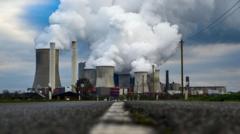
Germany Reconsiders Coal Power Plants Strategy
Germany coal power generation is back in the spotlight as policymakers face mounting pressure from skyrocketing natural gas prices. The nation that committed to abandoning coal as part of its ambitious climate goals now finds itself revisiting the role of this traditional fuel source in its energy infrastructure. This shift reflects the complex balance between environmental objectives and immediate energy security concerns.
The Original Coal Phase-Out Plan
For years, Germany established itself as a leader in the transition away from fossil fuels. The government had implemented a comprehensive strategy to eliminate coal-powered electricity from its national grid. This Energiewende, or energy transition, represented a cornerstone of Germany's climate policy and positioned the nation as a champion of renewable energy adoption across Europe.
The planned coal phase-out was scheduled to be completed by 2038, with provisions potentially accelerating the timeline. Coal power plants would be gradually retired, replaced by wind and solar installations, along with some natural gas facilities serving as backup during periods of low renewable generation.
Natural Gas Price Surge Challenges Plans
The geopolitical landscape shifted dramatically, causing natural gas prices to reach unprecedented levels. Germany, heavily dependent on Russian natural gas imports, faced severe supply disruptions and cost escalations. This energy crisis forced policymakers to reconsider their fuel mix calculations and explore alternative solutions for maintaining reliable power supply.
Higher natural gas costs fundamentally altered the economic equation for power generation. What previously seemed like an achievable transition now appeared more complicated, as natural gas—considered a bridge fuel—became prohibitively expensive. The financial burden of relying exclusively on renewable sources and expensive natural gas created urgency around finding interim solutions.
Coal's Renewed Economic Viability
In this context, coal-powered electricity suddenly appeared more economically attractive. Coal reserves remain domestic, offering energy independence that natural gas cannot provide. The relative cost stability of coal compared to volatile international gas markets made revisiting coal power plants a practical consideration for ensuring continuous energy supply.
Government officials and energy analysts began examining whether previously scheduled coal plant closures should be postponed or reconsidered entirely. Some plants marked for decommissioning were evaluated for potential restart or extended operation. This reconsideration represented a pragmatic response to immediate energy challenges, though it complicates long-term climate commitments.
Environmental and Climate Implications
The potential reversal on coal power presents significant environmental concerns. Germany coal power expansion would increase carbon emissions precisely when climate targets demand reduction. Environmental organizations and climate advocates expressed alarm at suggestions that coal might play a larger role in future electricity generation.
This tension between short-term energy security and long-term climate goals defines Germany's current energy dilemma. Policymakers must navigate between satisfying immediate electricity demand and maintaining credibility in international climate commitments.
Government Position and Future Outlook
German authorities have indicated willingness to keep certain coal facilities available as emergency reserves. Rather than complete coal plant demolition, some facilities would be maintained in a standby capacity, accessible if energy shortages threaten. This flexible approach attempts to balance security concerns with eventual climate objectives.
The situation underscores broader European energy challenges extending beyond Germany. Multiple nations face similar pressures regarding natural gas dependency, supply security, and climate transition timelines. Germany's recalibration of energy strategy provides insights into how other countries might address comparable pressures.
Renewable Energy Acceleration
Alongside coal power considerations, Germany has intensified renewable energy deployment efforts. Accelerated wind and solar installation timelines aim to reduce fossil fuel dependency more rapidly. Investments in energy storage technology and grid modernization support greater renewable capacity integration.
The government has acknowledged that achieving ambitious climate targets requires simultaneous strategies: maintaining emergency power sources, rapidly expanding renewables, and improving energy efficiency across all sectors.
Conclusion
Germany's reconsideration of coal-powered electricity illustrates the complex realities of energy transition. While the nation remains committed to abandoning coal eventually, immediate economic pressures and supply security concerns necessitate pragmatic short-term adjustments. The outcome of these policy decisions will significantly influence Germany's energy landscape and broader European energy strategies for years to come.


