
Gaza Strikes Kill 13 After Hamas Accepts Disarmament Terms
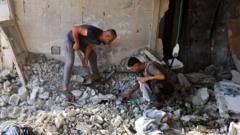
Gaza Strikes Result in Significant Casualties Following Disarmament Accord
At least 13 people have been killed in Gaza strikes following Hamas's acceptance of a disarmament deal. The military operations, which occurred across multiple locations including Gaza City, Khan Younis, and Deir el-Balah, represent a critical escalation in regional tensions despite the recent agreement framework.
Israeli Military Operations Target Multiple Locations
Israeli defense forces conducted coordinated strikes across three major population centers in the Gaza Strip. The operations in Gaza strikes were concentrated in densely populated areas, with military officials stating that the targets were identified as military operatives and infrastructure related to armed groups. Khan Younis, one of Gaza's largest cities, experienced significant impact from the aerial campaign, while Gaza City and Deir el-Balah sustained additional casualties.
Official Israeli Justification for the Strikes
Israeli military leadership has confirmed that operatives engaged in the Gaza strikes were specifically targeting individuals identified as military personnel involved in organized militant activities. Officials emphasized that the strikes were precision operations aimed at dismantling operational capabilities of armed factions within the territory. The timing of these operations, occurring after the disarmament agreement announcement, has raised questions about the consistency of diplomatic efforts and military strategies.
Impact on the Disarmament Agreement
The deaths resulting from the Gaza strikes have complicated the recently announced disarmament negotiations. Hamas's acceptance of terms designed to reduce armed capacity in the region now faces scrutiny given the continued military action by Israeli forces. The incident highlights the fragile nature of agreements between parties with historical grievances and ongoing security concerns on both sides.
Locations Affected by Military Action
Gaza City, the administrative hub of the Palestinian territory, experienced direct impact from the operations. Khan Younis, located in the southern region, has been a recurring flashpoint for military engagements. Deir el-Balah, situated in the central area of Gaza, also suffered casualties during the coordinated strikes. The geographical distribution of the Gaza strikes suggests a comprehensive operation targeting multiple command structures.
Broader Context of Regional Tensions
These latest Gaza strikes occur within a complex geopolitical landscape where military actions and diplomatic negotiations frequently overlap. The disarmament agreement represented a potential pathway toward de-escalation, yet immediate military operations suggest that security concerns continue to drive decision-making on both sides. International observers have noted the contradiction between armament reduction proposals and continued offensive operations.
International Response and Humanitarian Concerns
The casualties from the Gaza strikes have prompted renewed attention from international humanitarian organizations and diplomatic entities. The United Nations and various human rights monitoring groups have called for investigation into the military operations and adherence to international protocols regarding civilian protection. The death toll, while significant, remains subject to verification as reports continue to emerge from affected areas.
The situation remains fluid, with implications extending beyond immediate casualty figures to broader questions about the viability of peace initiatives in one of the world's most contentious regions.


