Free Speech Protection Matters to Voters Ahead Election
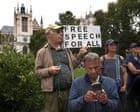
Free Speech Election Impact on Voter Behavior
Recent polling indicates that free speech election concerns are significantly influencing how British voters plan to cast their ballots in the upcoming general election. The data, commissioned by Liberty, a prominent human rights organization, reveals that citizens across the nation view free speech protections as a critical policy area when evaluating political parties and their governing approaches.
The survey conducted by More in Common demonstrates that the electorate takes seriously any party's stance on fundamental freedoms. Three out of every five respondents indicated that a political party's position on free speech would directly influence their voting decisions at the general election. This substantial proportion underscores how central this issue has become to public discourse and electoral considerations.
Voter Perception of Current Government Approach
Many citizens express concerns about the government's current direction regarding free speech protections. The polling results suggest that numerous voters perceive recent policies affecting free speech as detrimental to Britain's interests and democratic values. This negative perception has potential consequences for political parties, particularly those currently in power or seeking to maintain influence.
Liberty officials have specifically warned that Labour's handling of free speech issues could prove costly during the next electoral campaign. The organization's analysis suggests that the party's failure to robustly defend and protect free speech rights may alienate voters who prioritize these fundamental democratic principles.
Understanding the Electoral Significance
The prominence of free speech as an electoral concern reflects broader debates about civil liberties, government regulation, and democratic freedoms in contemporary Britain. Voters increasingly recognize that how political parties approach free speech questions reveals their fundamental philosophy regarding individual rights and democratic governance.
The polling data from More in Common provides concrete evidence that this is not a fringe issue but rather a mainstream concern affecting substantial portions of the electorate. When nearly 60 percent of respondents identify free speech protections as influencing their voting behavior, political strategists must take notice and adjust their messaging accordingly.
Policy Implications for Political Parties
Political parties across the spectrum face mounting pressure to clarify their positions on free speech and articulate how they would protect these rights if elected. The polling results suggest that voters actively evaluate how different parties stand on freedom of expression, freedom of assembly, and related civil liberties.
For Labour specifically, Liberty's warnings highlight that younger and older demographics alike view free speech protection as essential. The party's current approach appears insufficient in addressing voter concerns, creating an opening for other political entities to position themselves as stronger defenders of these fundamental freedoms.
Broader Context of Democratic Values
The emphasis on free speech in electoral calculations reflects a global trend of renewed interest in protecting democratic institutions and civil liberties. British voters demonstrate awareness of how free speech rights interconnect with broader democratic health, press freedom, and political pluralism.
Liberty's commissioned polling serves as a wake-up call to policymakers that citizens expect their elected representatives to prioritize the defense of free speech. The organization's message resonates with voters concerned about potential restrictions on expression, whether through legislation, regulation, or informal pressure.
Looking Ahead to Election Day
As the general election approaches, parties will need to engage substantively with free speech questions and demonstrate commitment to protecting these rights. The polling evidence suggests that vague statements or half-measures will not satisfy voters who have clearly indicated this issue matters for their electoral choices.
The findings underscore that free speech election dynamics will likely play a significant role in campaign messaging, candidate debates, and voter mobilization efforts. Political organizations that fail to address this concern adequately may find themselves disadvantaged when voters cast their ballots.