
Ford Brings Back Human Engineers as AI Quality Control Falls Short
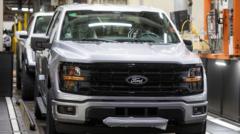
Ford's Strategic Shift: Returning to Human Engineering Excellence
A significant development in automotive manufacturing has emerged as Ford recognizes the critical importance of experienced human engineers in maintaining quality control. The automotive industry leader found that its artificial intelligence systems could not adequately replicate the precision and expertise that veteran technicians bring to the inspection process. This decision to reinstate human quality assurance specialists underscores a fundamental truth about modern manufacturing: technology, while valuable, cannot entirely replace human judgment and experience in ensuring product excellence.
The Limitations of Automated Quality Systems
Ford's experience with AI quality control systems revealed substantial gaps in automated inspection capabilities. While artificial intelligence has revolutionized many aspects of manufacturing, from production scheduling to supply chain management, the nuanced nature of quality checks demands a different approach. The company discovered that their machine learning algorithms struggled to identify subtle defects that could impact vehicle performance, safety, and customer satisfaction. Complex manufacturing environments require the kind of contextual understanding that only experienced human professionals can provide.
Why Human Engineers Outperform AI Technology
The expertise of veteran technicians encompasses decades of accumulated knowledge that extends far beyond what current algorithms can process. These experienced professionals possess an intuitive understanding of automotive systems, recognizing potential issues through a combination of sensory input, pattern recognition developed over years of practice, and deep technical knowledge. Human engineers can adapt quickly to new vehicle models, understand the implications of manufacturing variations, and make judgment calls that protect both the company and its consumers.
Ford's decision reflects a growing recognition across the automotive sector that quality assurance remains fundamentally dependent on human expertise. While AI systems excel at repetitive tasks and can process vast amounts of data, they lack the flexibility and critical thinking necessary for comprehensive quality control in complex manufacturing environments.
Industry Implications and Manufacturing Best Practices
This development carries broader implications for the manufacturing industry as a whole. Companies investing heavily in artificial intelligence automation are increasingly discovering that a hybrid approach—combining technological efficiency with human expertise—delivers superior results. Rather than viewing AI and human workers as competitors, progressive manufacturers recognize them as complementary forces that, when properly integrated, enhance overall operational excellence.
Ford's rehiring of human engineers signals a commitment to maintaining the highest quality standards in vehicle manufacturing. The company recognizes that its competitive advantage depends not just on technological innovation, but on leveraging the irreplaceable skills of experienced engineering professionals who can ensure every vehicle meets rigorous safety and performance criteria.
Looking Forward: Balancing Technology and Expertise
The automotive industry continues to evolve, with companies seeking optimal combinations of automation and human oversight. Ford's strategic decision provides valuable insights for other manufacturers facing similar challenges in quality assurance. The reinstatement of veteran technicians demonstrates that some manufacturing functions benefit most from a human-centered approach, even as other areas of production benefit from technological advancement.
Moving forward, Ford and its competitors will likely continue refining their approaches to quality control, seeking better integration of AI capabilities with human engineering expertise. This balanced methodology ensures that modern vehicles meet contemporary standards while benefiting from the most advanced inspection technologies available.


