
Food Purchase Tracking: Does Monitoring What You Buy Improve Health?
Understanding Food Purchase Tracking and Its Health Impact
Food purchase tracking has become increasingly prevalent in modern wellness culture, with millions of consumers utilizing mobile applications and digital tools to monitor their dietary consumption. But does food purchase tracking genuinely contribute to improved health outcomes, or is it merely another passing health trend? This comprehensive analysis examines the relationship between monitoring what you buy at the grocery store and achieving sustainable dietary improvements.
The Rise of Digital Dietary Monitoring Tools
Over the past decade, the popularity of food purchase tracking applications has skyrocketed among health-conscious individuals and those seeking weight management solutions. These platforms enable users to record every item they purchase, calculate nutritional values, and identify consumption patterns. The accessibility of smartphones and cloud-based technology has made food purchase tracking more convenient than ever before, allowing seamless integration into daily shopping routines.
How Food Purchase Tracking Works
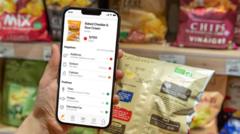
Most modern food purchase tracking systems operate through barcode scanning technology or manual entry of grocery items. Users simply photograph their receipts or scan product codes, and the application automatically catalogs purchases while providing nutritional breakdowns. These platforms often include features such as calorie counting, macronutrient analysis, and personalized dietary recommendations based on individual health goals.
Psychological Benefits of Conscious Consumption
One of the primary advantages of food purchase tracking is the heightened awareness it creates regarding eating habits. When individuals consciously monitor what they buy, they become more mindful of their choices at the grocery store. This heightened consciousness often leads to better decision-making, as shoppers become aware of their patterns and can identify areas for improvement. Research suggests that the act of tracking itself—sometimes called the "observer effect"—can motivate behavioral change independent of other interventions.
Nutritional Awareness and Informed Decisions
Food purchase tracking provides users with detailed nutritional information that might otherwise remain unknown. Many people are surprised to discover the hidden sugars, sodium content, and processed ingredients in seemingly healthy products. By understanding these components through food purchase tracking, consumers can make more informed choices that align with their health objectives. This transparency empowers individuals to gradually shift toward products with better nutritional profiles.
Potential Drawbacks and Limitations
Despite its benefits, food purchase tracking isn't without limitations. The process can become tedious for some individuals, leading to inconsistent tracking and reduced long-term adherence. Additionally, focusing excessively on numbers may foster an unhealthy relationship with food, particularly among those prone to disordered eating patterns. Some experts caution that obsessive food purchase tracking can contribute to orthorexia or other restrictive behaviors.
Expert Perspectives on Dietary Monitoring
Nutritionists and health professionals offer mixed perspectives on food purchase tracking effectiveness. Many acknowledge that it can serve as a valuable tool for raising awareness and establishing accountability. However, experts emphasize that tracking alone doesn't guarantee health improvements without accompanying behavioral changes and comprehensive lifestyle modifications. The most successful outcomes typically involve combining food purchase tracking with regular exercise, adequate sleep, and stress management.
Effectiveness for Specific Health Goals
The utility of food purchase tracking varies depending on individual objectives. For weight loss purposes, monitoring purchases combined with calorie awareness has demonstrated positive outcomes in numerous studies. Individuals managing chronic conditions like diabetes or hypertension may find food purchase tracking particularly beneficial for controlling specific nutrient intake. Conversely, for those seeking general wellness without specific medical concerns, the benefits may be less pronounced.
Long-Term Sustainability Questions
A critical consideration regarding food purchase tracking is whether the practice remains sustainable long-term. Many users experience initial enthusiasm that gradually wanes over months. The question becomes whether the initial awareness from food purchase tracking creates lasting behavioral patterns or merely provides temporary motivation. Research indicates that combining food purchase tracking with professional guidance yields better long-term compliance than using applications independently.
Practical Recommendations for Effective Implementation
For those considering food purchase tracking, experts recommend starting gradually and setting realistic goals. Rather than attempting to track every single purchase obsessively, users might focus on identifying three to five dietary changes to prioritize. Food purchase tracking works best when integrated into a broader wellness strategy that includes regular physical activity, stress reduction, and sleep optimization.
Conclusion: Is Food Purchase Tracking Worth Your Effort?
Food purchase tracking can serve as a legitimate tool for enhancing dietary awareness and promoting healthier eating habits. While not a magic solution, food purchase tracking demonstrates value particularly for individuals with specific health objectives or those needing external accountability. The key to success lies in approaching it as one component of comprehensive lifestyle change rather than relying solely on tracking to achieve health improvements. Whether you choose to embrace food purchase tracking depends on your personal preferences, health goals, and commitment level to sustained behavioral modification.


