EU Criticized for Taliban Delegation Meeting in Brussels
EU Faces Backlash Over Taliban Diplomatic Engagement
The European Union is facing mounting criticism following confirmation that a Taliban delegation meeting with EU officials in Brussels has sparked widespread concern among human rights advocates and Members of European Parliament. This Taliban delegation Brussels encounter has drawn fierce condemnation from civil society organizations and political figures who argue the engagement risks legitimizing a controversial regime.
Concerns About Normalization of Oppressive Policies
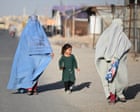
Rights campaigners and MEPs have issued formal warnings that hosting the Taliban delegation represents a dangerous normalization of governance practices that have systematically marginalized women and girls. The regime has implemented sweeping restrictions on female education, banning girls from attending school beyond the sixth grade—a policy that has devastated access to learning opportunities for millions of young people across Afghanistan.
Beyond educational restrictions, the Taliban has pursued aggressive strategies to erase women from public life entirely. Women have been removed from government positions, banned from many professional sectors, and subjected to increasingly strict interpretation of dress codes and behavioral restrictions. These systematic measures represent a comprehensive dismantling of women's participation in Afghan society at all levels.
Serious Allegations of War Crimes
Adding to the controversy, international observers have highlighted that the Taliban delegation's leadership includes individuals with documented allegations of crimes against humanity. These accusations stem from the organization's violent history during its previous rule and subsequent military campaigns. The presence of accused individuals in diplomatic negotiations raises fundamental questions about accountability and justice for victims of alleged atrocities.
Official Confirmation and Diplomatic Details
A representative from the Afghan foreign ministry formally confirmed that members representing the Taliban had indeed traveled to Brussels to conduct meetings with European officials. The Belgian foreign ministry facilitated the visit by issuing five single-day visas to delegation members, enabling their temporary entry into the European Union.
Political and Civil Society Response
The announcement of this Taliban delegation Brussels meeting has triggered significant pushback from multiple stakeholders within Europe. Members of the European Parliament have expressed deep concern about the diplomatic signal such engagement sends regarding international standards for human rights and democratic governance. Civil society organizations specializing in Afghan affairs and women's rights have called for immediate reconsideration of the engagement strategy.
Critics argue that meeting with Taliban representatives without explicit preconditions regarding human rights compliance undermines decades of international advocacy for women's rights and democratic principles in Afghanistan. They contend that such diplomatic normalization may embolden further restrictions and provide international legitimacy to policies widely condemned as violations of fundamental human rights.
Broader Implications for International Relations
The controversy surrounding this engagement reflects broader tensions in international diplomacy following the Taliban's return to power in Afghanistan. Nations worldwide face difficult decisions about balancing diplomatic engagement with principled stands on human rights issues. The EU's approach to the Taliban delegation has become a flashpoint in this ongoing debate, highlighting competing priorities between maintaining international dialogue channels and upholding core values regarding human dignity and equality.