
Electric Vehicle Insurance Costs: Why They're Higher
Understanding Electric Vehicle Insurance Costs
The surge in electric vehicle adoption has brought numerous advantages to the automotive market, yet electric vehicle insurance costs remain a significant barrier for many prospective buyers. Insurance premiums for battery-powered automobiles continue to exceed those of conventional gasoline-powered vehicles, creating a considerable financial hurdle during the purchase decision process.
Insurance providers charge higher premiums for electric vehicles due to multiple interconnected factors that distinguish them from traditional cars. Underwriters must carefully assess the unique characteristics and operational dynamics of EVs before determining appropriate coverage rates.
Why Insurance Premiums Are Higher for Electric Vehicles
Repair and Replacement Expenses
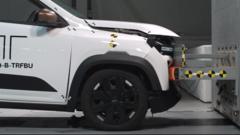
One of the primary reasons electric vehicle insurance costs remain elevated is the substantial expense associated with repairing or replacing damaged components. When an EV sustains collision damage, specialized technicians must conduct repairs using expensive proprietary parts. Battery systems, in particular, represent the most costly element of any electric vehicle, sometimes accounting for 30-40% of the total vehicle value.
Limited Repair Network and Expertise
The availability of qualified mechanics trained in electric vehicle servicing remains limited compared to conventional auto repair facilities. This scarcity of specialized expertise drives up labor costs significantly. Insurance companies must account for these higher service expenses when calculating premiums, directly impacting what customers pay for coverage.
Historical Data and Claims Experience
Insurance actuaries rely heavily on historical claims data to establish pricing models. Since electric vehicles represent a relatively new segment in the automotive market, comprehensive data on accident frequencies, repair costs, and liability patterns is still being accumulated. The absence of extensive historical information creates uncertainty for insurers, who typically err on the side of caution by charging higher premiums.
Battery Degradation and Replacement Costs
The potential for battery degradation over time introduces additional risk factors for insurance companies. Battery replacement can cost between $5,000 and $20,000, depending on the vehicle model and capacity. Insurers must factor in this long-term liability when determining electric vehicle insurance costs.
Solutions Being Implemented to Reduce Coverage Expenses
Direct Repair Programs and Partnerships
Insurance carriers are actively establishing direct repair partnerships with authorized EV service centers. These agreements allow insurers to negotiate favorable rates for parts and labor, effectively reducing overall claim expenses. By partnering with manufacturers' certified technicians, insurance companies can better control costs while ensuring quality repairs.
Improved Data Collection and Analysis
As more electric vehicles populate roadways, insurers accumulate valuable claims data that enables more accurate risk assessment. Advanced analytics and artificial intelligence tools help underwriters identify genuine risk patterns rather than relying on conservative estimates. This data-driven approach gradually supports more competitive electric vehicle insurance costs.
Manufacturer-Insurer Collaborations
Vehicle manufacturers are collaborating directly with insurance providers to develop specialized coverage programs. These partnerships focus on creating transparent pricing structures that reflect actual repair expenses rather than inflated estimates. Some manufacturers even offer insurance discounts through dedicated programs designed to incentivize EV purchases.
Telematics and Safety Technology Recognition
Electric vehicles typically incorporate advanced safety features and telematics systems that reduce accident risk. Progressive insurance companies are increasingly recognizing these safety advantages by offering discounts to EV owners who consent to usage monitoring. This approach rewards safer driving habits while reducing claim frequencies.
Industry Trends Shaping Insurance Economics
The competitive landscape is gradually shifting as more insurers enter the electric vehicle market segment. Progressive competition naturally drives prices downward as companies seek market share through attractive rates. Additionally, growing EV market penetration means that electric vehicle insurance costs will eventually align more closely with conventional vehicle premiums as underwriting models become more refined.
Government regulatory initiatives in various jurisdictions are also encouraging insurers to develop fair pricing models for electric vehicles. Some regions offer tax incentives or insurance subsidies specifically designed to offset the higher electric vehicle insurance costs, making EVs more financially accessible to average consumers.
What Consumers Can Do to Lower Their Premiums
Prospective EV buyers should actively compare quotes from multiple insurers, as rates vary considerably between companies. Additionally, bundling auto insurance with homeowners or other policies often yields substantial discounts. Choosing vehicles with strong safety ratings and built-in anti-theft technology can also positively influence insurance quotes, helping offset elevated electric vehicle insurance costs.
Looking Forward
As the electric vehicle market matures and becomes increasingly mainstream, electric vehicle insurance costs should experience gradual reduction. The convergence of comprehensive claims data, expanded repair infrastructure, and competitive market dynamics will ultimately make EV insurance rates more comparable to traditional vehicle coverage. For now, consumers considering electric vehicle purchases should factor in insurance costs during their financial planning while taking advantage of available discounts and promotional programs.


