Ebola Outbreak Spreads Rapidly: Conflict and Misinformation Fuel Crisis
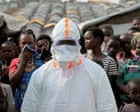
Ebola Outbreak DRC: A Rapidly Escalating Public Health Emergency
The Democratic Republic of the Congo faces an unprecedented health crisis as the Ebola outbreak DRC continues its alarming acceleration across multiple regions. Nearly eight weeks after authorities confirmed the initial cases in a single province, the viral transmission has dramatically intensified, reaching new areas and affecting increasing numbers of inhabitants. This Ebola outbreak DRC represents one of the most severe epidemiological challenges the nation has encountered in recent years.
Official records released on July 8 reveal a concerning trajectory, with confirmed cases reaching 1,759 and fatalities totaling 600 individuals. The geographic scope of transmission extends beyond the Democratic Republic's borders, as neighboring Uganda has documented 20 confirmed infections, resulting in two deaths. These figures underscore the transnational nature of the health emergency and the urgent need for coordinated regional responses.
Contributing Factors to Rapid Viral Transmission
Misinformation and Public Distrust
One of the primary accelerants of this Ebola outbreak has been the widespread circulation of false information and harmful rumors within affected communities. Misinformation campaigns have undermined public confidence in health authorities and medical interventions, leading residents to avoid treatment facilities and established prevention protocols. This breakdown in trust has created an environment where the virus spreads unchecked among vulnerable populations.
Violence Against Healthcare Infrastructure
Systematic attacks on health workers and treatment centers have severely compromised the capacity to contain the Ebola outbreak. Armed groups and community members, often motivated by conspiracy theories and fear-based narratives, have targeted medical facilities and personnel. These violent incidents have forced temporary closures of critical treatment hubs, reduced the availability of trained responders, and created a dangerous environment for humanitarian workers attempting to manage the crisis.
Conflict-Related Instability
The broader geopolitical instability characterizing certain regions of the Democratic Republic has compounded the Ebola situation significantly. Ongoing armed conflicts displace populations, fragment healthcare delivery networks, and prevent effective disease surveillance and response operations. Communities fleeing violence inadvertently facilitate viral transmission across wider geographic areas, as displaced persons move through multiple regions without adequate health screening.
Impact of Reduced International Support
Financial constraints and reduced international aid allocations have weakened the response infrastructure necessary to combat this Ebola outbreak effectively. Limited resources restrict the deployment of medical equipment, diagnostic capabilities, and trained personnel to affected zones. Underfunded vaccination campaigns and prevention initiatives cannot reach sufficient portions of at-risk populations to achieve meaningful containment.
Regional Spread and Cross-Border Concerns
The confirmation of cases in Uganda signals the transnational transmission potential of this Ebola outbreak. Border communities face particular vulnerability as trade routes and family connections facilitate movement between nations. Regional health authorities must coordinate surveillance efforts and implement harmonized response strategies to prevent further geographic expansion of the epidemic.
Challenges to Disease Control Measures
Standard epidemiological interventions face substantial obstacles in this operating environment. Contact tracing remains incomplete due to community resistance and security concerns. Quarantine measures encounter resistance from populations skeptical of official health guidance. Vaccination efforts struggle against anti-immunization narratives propagated through social media and community networks.
Humanitarian Response and Future Outlook
Despite these formidable obstacles, international organizations and local health authorities continue mobilization efforts. Strategies emphasizing community engagement, transparent communication, and culturally appropriate messaging show promise in rebuilding public trust. Healthcare worker safety protocols and facility fortification represent essential investments in protecting medical personnel.
The trajectory of this Ebola outbreak DRC will largely depend on whether response initiatives can effectively counter misinformation, restore security conditions, and secure sufficient funding. Without comprehensive interventions addressing the root causes—conflict, disinformation, and resource scarcity—the virus will likely continue its devastating advance. Sustained commitment from international partners and strengthened domestic health systems remain critical to preventing further escalation of this public health emergency.