
Cancer Cure Scams: Dewormer Drugs Fraudulently Marketed to Desperate Patients
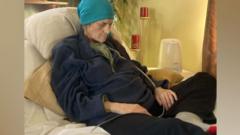
Fraudulent Cancer Treatment Schemes Targeting Vulnerable Patients
A significant investigation by the BBC has exposed a troubling pattern of cancer cure scams where individuals and unethical retailers are promoting antiparasitic and scabies medications as legitimate cancer treatments. The cancer cure scams operate by deliberately misleading terminally ill patients into purchasing medications never intended for oncological use, exploiting their desperation and hope for recovery.
The investigation revealed that one terminally ill patient was approached by a stair lift salesman who confidently claimed that specific dewormer drugs could dramatically shrink tumors. This represents a particularly egregious example of how cancer cure scams prey on vulnerable populations through unlikely channels, mixing commercial services with fraudulent medical claims.
How These Dangerous Schemes Operate
The cancer cure scams function through multiple deceptive tactics designed to bypass legitimate medical channels. Salespeople without medical credentials make authoritative health claims, encouraging patients to abandon proven treatments in favor of unproven alternatives. The drugs being illegally marketed as cancer treatments include substances primarily developed for parasitic infections and skin conditions—compounds that have zero established efficacy against malignant tumors.
Targeting Desperate Patients
What makes cancer cure scams particularly heinous is their strategic targeting of individuals in advanced disease stages. Terminally ill patients often face grim prognoses and limited options, making them psychologically vulnerable to false promises of miraculous recovery. These fraudsters exploit this vulnerability, using hope as a weapon rather than a source of genuine healing.
The Role of Untrained Salespeople
The investigation highlighted how cancer cure scams extend into mainstream commercial sectors. When stair lift salesmen or other retail workers begin making medical claims about dewormer drugs and their tumor-shrinking properties, it demonstrates how widespread and brazen these schemes have become. These individuals lack any medical training, licensing, or regulatory oversight.
Medical and Legal Implications
The promotion of dewormer drugs and scabies medications as cancer treatments violates multiple healthcare regulations and consumer protection laws. Medical professionals emphasize that these substances can interact dangerously with legitimate cancer therapies, potentially accelerating deterioration rather than providing benefit. Cancer cure scams create serious health risks by encouraging patients to delay or abandon evidence-based oncological care.
Cancer cure scams represent a fundamental breach of trust in healthcare systems. When vulnerable patients cannot distinguish between legitimate medical advice and fraudulent claims, the entire foundation of informed consent crumbles. The dewormer drugs being sold under false pretenses may cause additional harm through side effects while providing no therapeutic benefit whatsoever.
Public Health Concerns and Patient Safety
Regulatory authorities are increasingly concerned about how cancer cure scams proliferate despite existing oversight mechanisms. The BBC's investigation suggests these schemes operate through informal networks, online platforms, and unexpected commercial venues where enforcement is challenging. Public awareness remains inadequate, allowing such dangerous deception to continue affecting new victims.
The intersection of cancer cure scams with legitimate retail operations creates a particularly dangerous environment. When consumers encounter health claims in non-medical settings, they may incorrectly assume some level of vetting has occurred. This assumption leaves them vulnerable to purchasing dewormer drugs marketed with unsubstantiated cancer treatment claims.
Protecting Vulnerable Populations
Healthcare advocates stress the importance of patients consulting qualified oncologists before considering any alternative treatments. Cancer cure scams rely on patients' isolation from proper medical networks and their reluctance to discuss non-conventional options with treating physicians. Strengthening patient education about evidenced-based medicine represents crucial defense against these schemes.
For terminally ill individuals and their families, distinguishing legitimate research from fraudulent promotion becomes increasingly difficult as desperation intensifies. The BBC investigation serves as critical evidence that cancer cure scams require coordinated responses involving regulatory agencies, law enforcement, and healthcare providers committed to patient protection.
Conclusion
The exposure of cancer cure scams selling dewormer drugs and scabies medications as tumor treatments underscores systemic vulnerabilities in consumer protection and medical regulation. These dangerous schemes exploit legitimate human desires for hope and recovery, converting them into mechanisms for financial exploitation and potential medical harm. Continued investigation and public awareness remain essential to protecting vulnerable patient populations from such predatory practices.


