
Canada Must Take Stand as US Trade Deadline Approaches: Manitoba Leader
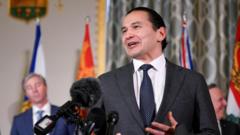
Canada's Firm Stance on Upcoming Trade Negotiations
As the US trade deadline approaches, Canadian officials are intensifying their calls for a robust negotiating position. The US trade deadline represents a critical juncture for bilateral relations, and provincial leaders are emphasizing the need for decisive action. Premier Wab Kinew of Manitoba has emerged as a vocal advocate for taking a hardline approach during these delicate discussions with Washington.
Manitoba Premier Signals Strong Negotiating Position
Kinew's recent statements underscore the growing consensus among provincial leaders that Canada cannot afford to make concessions without substantial gains. His remarks regarding the US trade deadline have been interpreted as a call to arms for the federal government to stand firm in its negotiating strategy. The Manitoba Premier's comments reflect broader frustrations about trade imbalances and the need to protect Canadian interests at the bargaining table.
Prime Minister Carney Faces Public Relations Challenge
Prime Minister Mark Carney now confronts a significant challenge in building domestic support for any prospective trade agreement with the United States. The public sentiment suggests that Canadians are watching carefully how their government handles these negotiations. Carney's administration must balance the need for a pragmatic deal with voter expectations for aggressive protection of national economic interests.
Building Consensus Across Provinces
Provincial governments, particularly those with significant trade exposure, are demanding a voice in negotiations. Kinew's intervention signals that the premiers will not remain silent observers as major trade decisions unfold. The pressure from provincial capitals adds another layer of complexity to an already intricate negotiating environment surrounding the US trade deadline.
Economic Implications for Canadian Workers
The stakes extend beyond diplomatic exchanges. Thousands of Canadian jobs depend on maintaining stable trade relationships with the United States. Workers in manufacturing, agriculture, and services sectors are closely monitoring developments. Any trade agreement must address concerns about job security and wage protection, concerns that provincial leaders like Kinew are elevating in public discourse.
The Road to a Potential Agreement
Despite tough rhetoric, both nations recognize the mutual benefits of stable trade relations. However, the path forward requires careful navigation of competing interests. The US trade deadline will serve as a crucial test of negotiating resolve. Carney's government must demonstrate that it can secure favorable terms while maintaining sufficient public confidence in the process.
Strategic Timing and Political Pressure
The convergence of the US trade deadline with domestic political pressures creates urgency around reaching an agreement. Political opposition parties are likely to scrutinize any deal, making strong public messaging essential. Kinew's comments may actually help frame negotiations as tough-minded and protective of Canadian interests, potentially providing political cover for whatever agreement eventually emerges.
Looking Forward: Next Steps in Trade Talks
As negotiations continue, the voices of provincial leaders will likely grow louder. The US trade deadline represents not just a commercial moment but a test of Canadian political unity and resolve. Whether Carney can build sufficient consensus among provinces while maintaining negotiating credibility remains a central question. Kinew's forceful stance suggests that any final agreement will need to satisfy more than just federal officials—it must pass scrutiny from provincial governments protecting their constituents' interests.


