Burnham's Team Split Over Chancellor Choice: Streeting vs Miliband
Internal Divisions Emerge in Burnham's Chancellor Question
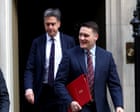
A significant rift has developed within Andy Burnham's inner circle regarding the chancellor position, with the Burnham chancellor debate intensifying as competing factions push their preferred candidates. The disagreement centers on whether former health secretary Wes Streeting or energy secretary Ed Miliband should occupy the crucial economic role should Burnham reach Number 10.
The tension reflects deeper strategic concerns about economic direction, business relations, and energy policy. Supporters of each candidate have begun engaging in tactical briefings to media outlets, seeking to influence the eventual decision and shape public perception ahead of potential leadership transitions.
The Streeting Camp's Strategic Case
Advocates backing Wes Streeting argue that appointing the former health secretary would send reassuring signals to the business community and fossil fuel industry. Those advising Burnham from this perspective emphasize that Streeting's previous ministerial experience and relationships with corporate leaders could facilitate smoother economic governance and maintain investor confidence during a critical transition period.
Supporters contend that Streeting's background and economic credentials would help stabilize markets and preserve business-friendly policies. They believe his appointment as chancellor would address concerns from sectors reliant on traditional energy sources and broader commercial interests that might worry about sudden policy shifts under a new administration.
The Miliband Alternative and Energy Focus
Meanwhile, those aligned with Ed Miliband present a contrasting vision centered on energy transition and climate-conscious economics. The energy secretary brings distinct expertise in renewable energy policy and environmental oversight, representing a different ideological approach to fiscal management and industrial strategy.
Miliband's supporters argue that his appointment would signal commitment to progressive economic policies and sustainable development. They emphasize his track record in energy matters and suggest he represents a forward-looking approach to chancellorship that prioritizes long-term environmental and economic sustainability over immediate business appeasement.
Briefing Wars and Political Maneuvering
The emergence of these competing briefing campaigns reveals the intensity of internal political maneuvering within Burnham's camp. Rather than waiting for formal announcements or leadership decisions, both factions are actively attempting to shape narratives and build public support for their preferred candidates through strategic media engagement.
This type of internal positioning is characteristic of leadership preparation, particularly when potential candidates recognize the significant responsibility of selecting key economic figures. The public nature of these briefing wars suggests confidence in each camp's position while simultaneously indicating genuine uncertainty about Burnham's ultimate preference.
Implications for Economic Policy Direction
The chancellor selection carries substantial weight for future economic policy, encompassing decisions on taxation, spending, energy investment, and industrial relations. Each potential chancellor represents distinct philosophical approaches to fiscal management and sectoral priorities that would shape governance for years.
Burnham's final decision will likely influence market reactions, investor sentiment, and policy expectations across multiple industries. The Burnham chancellor choice therefore extends beyond internal party politics to affect broader economic confidence and strategic business planning across the United Kingdom.
The Broader Context of Leadership Preparation
These internal discussions reflect standard preparation practices for potential leadership transitions. Senior politicians routinely develop contingency plans and coalition-building strategies for key ministerial positions, ensuring smooth governance should circumstances change rapidly.
The involvement of Streeting and Miliband—both significant figures within the Labour sphere—underscores the high stakes involved in chancellor selection. Their respective backgrounds, relationships, and policy priorities would meaningfully shape the character and direction of any government in which either served as chief economic officer.
As debates continue within Burnham's advisory circles, observers note that both candidates possess legitimate credentials for the role. The ultimate decision will likely depend on strategic considerations beyond pure qualifications, including coalition management, electoral positioning, and Burnham's personal preferences regarding economic direction and ministerial partnership dynamics.