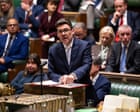
Burnham Shelves Wealth Tax Plans to Avoid Division

Burnham Postpones Wealth Tax Implementation
Andy Burnham, the incoming prime minister, has made clear that a wealth tax will not be introduced in the immediate future. This strategic decision represents a significant shift in economic planning, as the newly appointed leader seeks to establish consensus rather than provoke conflict within the business community and broader society.
The wealth tax proposal has been a contentious issue in political discourse, with supporters arguing it could redistribute resources to fund public services, while critics contend it would discourage investment and entrepreneurship. By signalling that wealth tax measures will be shelved for now, Burnham is attempting to navigate these competing pressures while building broader support for his administration.
Strategic Messaging on Tax Division
On Wednesday, Burnham articulated his position clearly, stating he had no intention to "create new divisions" through his tax policy framework. According to allies close to the prime minister, this statement was a deliberate signal that revenue-raising measures targeting accumulated wealth were not part of his immediate governmental agenda.
This approach reflects a calculated political strategy designed to reassure key stakeholder groups while maintaining governmental flexibility. The decision sidesteps potentially divisive debates that could undermine efforts to build a cohesive cabinet and establish early momentum for his administration.
Business Community Response and Economic Implications
The postponement of wealth tax measures has already begun to ease concerns among business leaders and entrepreneurs who viewed such taxation as a threat to investment and economic dynamism. By stepping back from immediate implementation, Burnham has removed a significant source of uncertainty for the corporate sector.
However, this decision simultaneously constrains the government's fiscal options. Without wealth tax revenue, the administration must identify alternative funding mechanisms to support its policy commitments in areas such as healthcare, education, and infrastructure development. This limitation presents a genuine challenge as the government seeks to deliver on promises made during the campaign while managing public finances responsibly.
Chancellor Selection and Economic Direction
The composition of Burnham's economic team will prove crucial in determining how these constraints are managed. Reports indicate that Mahmood is being considered as the likely chancellor, a position that would place him at the centre of fiscal decision-making. The chancellor's approach to taxation, spending priorities, and economic growth strategies will significantly influence whether the government can deliver its agenda without wealth-based revenue sources.
The selection of the chancellor represents more than a mere personnel decision; it signals the administration's broader economic philosophy and priorities. If Mahmood receives the appointment, his track record and stated positions on taxation and public spending will provide clearer indication of how the government intends to address fiscal challenges.
Political Context and Future Policy Development
Burnham's decision to sideline wealth tax proposals for the present time should be understood within the broader political context of his transition to prime minister. The incoming administration faces pressure to appear pragmatic and business-friendly while simultaneously addressing legitimate public concerns about inequality and resource allocation.
This balancing act reflects the complex political environment in which Burnham must operate. By deferring wealth tax measures, he maintains the option to revisit the policy at a later date, should political conditions shift or should economic circumstances demand new revenue sources. The decision is therefore tactical rather than a permanent renunciation of wealth taxation as a policy tool.
Looking Ahead: Economic Management Without Wealth Taxation
The coming months will reveal how effectively the Burnham administration manages these fiscal constraints. Without immediate wealth tax implementation, the government must explore other avenues for funding its priorities, whether through adjustments to existing tax structures, enhanced economic growth, or more efficient public spending.
The wealth tax postponement establishes an important baseline for understanding the new government's economic direction. It demonstrates a preference for consensus-building over confrontation, at least in the short term. Whether this approach proves sustainable as the administration encounters the inevitable demands of governing will become clearer as policy details emerge and economic conditions evolve.