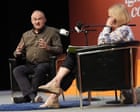
Andy Burnham Set to Lead UK After Starmer's Resignation
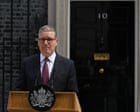
Burnham Emerges as Clear Successor Following Starmer's Exit
Andy Burnham is poised to become the next UK Prime Minister following Keir Starmer's unexpected resignation announcement. The former Greater Manchester mayor now stands unopposed in the race to assume control of the country after months of mounting pressure from Labour MPs and cabinet members forced the sitting prime minister to acknowledge he no longer represented the right leadership for Britain. Starmer's departure marks a significant turning point in Westminster politics, with Andy Burnham solidifying his position as the overwhelming favorite to take the helm.
In a dramatic week at Parliament, Starmer laid out a formal timeline for his departure after facing sustained discontent from within his own party. Labour figures became increasingly concerned about the threat posed by Reform UK ahead of the next general election, prompting calls for fresh leadership. The transition represents not merely a personnel change but signals a potential shift in policy direction under Andy Burnham's stewardship.
Policy Direction and Cabinet Planning
The incoming Prime Minister plans to unveil his governing agenda through a series of major policy speeches beginning next week. Andy Burnham's initial focus will center on economic strategy and devolution matters, demonstrating a departure from his predecessor's approach. These early speeches are designed to establish his administration's distinct priorities and set the tone for his premiership.
Treasury Leadership and Economic Strategy
Among Burnham's key decisions involves selecting a new Chancellor of the Exchequer. Sources indicate he is seriously considering appointing Ed Miliband to the role, a move intended to challenge conventional Treasury orthodoxy and potentially reshape fiscal policy. However, Burnham has not yet finalized this appointment, acknowledging the significant risks involved. Business interests and trade unions have expressed reservations about Miliband's candidacy, yet the Prime Minister-in-waiting appears willing to make the political case for his controversial choice.
Home Office Continuity
In contrast to potential reshuffles elsewhere in the cabinet, Shabana Mahmood is expected to retain her position as Home Secretary. Burnham has previously commended Mahmood's approach to immigration policy, particularly her willingness to tackle the complex issues surrounding border control. Her retention signals continuity in one of the government's most sensitive portfolios.
Other Cabinet Positions Under Review
Wes Streeting, a prominent Labour figure, could receive one of the government's top cabinet appointments under the new administration. Campaign sources have rejected suggestions that Streeting possessed significant leverage in negotiations or that he actively pursued leadership credentials. Some observers have nonetheless advocated for his appointment as Chancellor, arguing such a move would reassure financial markets during the transition period.
Meanwhile, Starmer's remaining allies are reportedly attempting to identify alternative candidates who might mount a challenge against Burnham's ascendancy, should circumstances permit. Darren Jones has been mentioned as a potential rival, though sources indicated he was not actively organizing a leadership campaign. These sources stopped short of completely dismissing the possibility of his involvement, leaving some uncertainty about potential opposition candidates.
The Path to 10 Downing Street
Andy Burnham's trajectory to the Prime Minister's office represents a remarkable political journey from his background in Greater Manchester politics. His rise comes at a moment when the Labour Party seeks to reset its image and refocus its agenda. The transition from Starmer to Burnham appears virtually unopposed, suggesting broad party consensus around the necessity for change.
The Cabinet reshuffle process will prove crucial in establishing Burnham's administration's credibility. His selections will reveal his governing priorities and demonstrate how significantly his government differs from its predecessor. With Ed Miliband potentially positioned as Chancellor and Shabana Mahmood continuing at the Home Office, Burnham appears to be building a team that balances continuity with substantive policy shifts.
The coming weeks will determine whether Burnham can successfully transition from party consensus candidate to Prime Minister capable of addressing the economic and political challenges facing Britain. His announced focus on devolution suggests an emphasis on regional governance and local solutions, marking a philosophical distinction from Starmer's approach. As Andy Burnham prepares to take power, Westminster observers await his detailed policy announcements and cabinet appointments to fully understand the scope of change his administration represents.