AI Detects Heart Disease in Women Using Mammograms
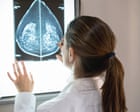
Breakthrough in Dual Health Screening Technology
A significant advancement in medical technology demonstrates that artificial intelligence can detect heart disease in women during routine mammogram procedures. This innovative approach leverages existing breast cancer screening infrastructure to simultaneously identify cardiovascular conditions, which represents one of the most critical public health challenges facing women worldwide.
Researchers have successfully developed algorithms capable of analyzing standard mammographic images to identify multiple cardiac risk factors. The technology can recognize indicators of coronary heart disease, hypertension, and prior stroke events—conditions that frequently go undiagnosed in female patients despite being the leading cause of mortality among women globally.
How the AI Detection System Functions
The research team employed advanced machine learning algorithms to examine mammogram scans with unprecedented precision. Rather than requiring additional imaging procedures, the artificial intelligence processes data already captured during conventional breast cancer screening appointments. This efficient approach maximizes the utility of existing medical resources while expanding diagnostic capabilities.
The AI system analyzes subtle patterns and indicators within mammographic tissue that correlate with cardiovascular health status. By identifying women with coronary heart disease, managing hypertension, or history of cerebrovascular events, the technology provides physicians with valuable risk stratification information that might otherwise require separate specialized testing.
Implications for Women's Healthcare Delivery
Medical professionals emphasize that these findings could fundamentally transform routine breast cancer screening protocols. Instead of serving a single diagnostic purpose, mammogram appointments could simultaneously serve as comprehensive cardiovascular assessment opportunities. This dual-screening capability addresses a persistent healthcare gap, as cardiovascular disease remains significantly underdiagnosed in women compared to men.
The potential implementation of AI-powered mammogram analysis could enhance early detection rates for heart disease in female populations. Women historically receive later cardiovascular diagnoses than their male counterparts, contributing to worse health outcomes. By integrating heart disease detection into existing mammography programs, healthcare systems could identify at-risk women during routine preventive care visits.
Clinical Significance and Future Applications
The research underscores artificial intelligence's expanding role in modern diagnostic medicine. Rather than replacing radiologists, the technology augments human expertise by highlighting potentially significant findings that warrant physician attention. This collaborative approach between AI systems and medical professionals represents the future of precision diagnostics.
Experts suggest that widespread adoption of this screening methodology could reduce the burden of undiagnosed cardiovascular disease among women. By catching heart disease earlier through mammogram analysis, patients could receive preventive interventions and lifestyle modifications before serious cardiac events occur.
Addressing Healthcare Disparities
The discovery particularly benefits women whose cardiovascular risk factors remain unrecognized by traditional screening practices. Many women experience atypical heart disease symptoms that physicians might overlook or misattribute to other causes. Incorporating AI detection into mammography provides an objective, standardized assessment that could help address these diagnostic disparities.
Healthcare providers acknowledge that the integration of AI heart disease detection into breast cancer screening represents a practical solution to resource constraints in medical imaging. Rather than requiring patients to undergo separate cardiac imaging procedures, the technology extracts additional clinical value from imaging they are already receiving for cancer prevention.
Research Validation and Next Steps
The successful identification of women with multiple cardiovascular conditions demonstrates the algorithm's robust performance across diverse patient populations. Continued research and clinical validation will determine optimal implementation strategies for integrating this technology into standard mammography protocols across healthcare systems.
As artificial intelligence continues advancing diagnostic capabilities, the integration of multiple disease detection functions into single imaging procedures exemplifies how technology can improve healthcare efficiency while enhancing patient outcomes through earlier disease identification and intervention.