
Afghan Women Face Unrecognisable Lives After Five Years of Taliban Rule
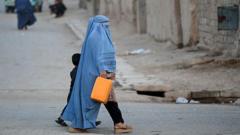
Afghan Women's Lives Transformed Under Taliban Governance
Afghan women describe their existence as fundamentally unrecognisable following five years of Taliban rule. Across the nation, countless testimonies reveal a systematic dismantling of freedoms that were once considered fundamental rights. The situation for Afghan women has deteriorated dramatically, with reports indicating escalating restrictions on movement, employment, and access to essential services that directly impact survival and wellbeing.
Documented Cases of Public Punishment
Among the most alarming developments under Taliban governance are accounts of public floggings administered to women. These punishments are justified by strict interpretations of religious law and serve as a mechanism of social control. Witnesses and victims have come forward to share their experiences with international media, detailing scenes of public humiliation and physical violence that mark a return to practices thought to belong to the past.
The psychological impact of these public spectacles extends beyond the immediate victims. Communities living under constant fear of punishment experience heightened anxiety and reduced freedom of movement, as women become increasingly reluctant to venture into public spaces where such incidents occur.
Mass Job Losses and Economic Devastation
Employment opportunities for Afghan women have contracted sharply since the Taliban assumed power. Women who previously held professional positions in education, healthcare, government, and business sectors have been systematically removed from their roles. This displacement has created severe economic hardship for families who depended on women's income for survival.
The exclusion of women from the workforce represents not merely a personal tragedy but a significant setback for the nation's economic development. Afghanistan has lost the productive capacity and expertise of half its population, creating bottlenecks in critical sectors such as healthcare and education. Young women who aspired to professional careers now face an uncertain future with diminishing prospects for advancement or independence.
Healthcare Access and Life-Threatening Consequences
One of the most dangerous consequences of Taliban restrictions concerns access to healthcare. Afghan women describe barriers to medical treatment that put lives at immediate risk. Female patients report difficulties accessing female healthcare providers, as gender segregation policies limit the availability of appropriate medical care. Pregnancy-related complications, gynecological emergencies, and routine health maintenance have become increasingly difficult to manage.
These healthcare barriers disproportionately affect vulnerable populations including pregnant women and mothers of young children. Some women have died from preventable conditions due to inability or reluctance to seek medical assistance under the current restrictions. International health organisations have warned that maternal mortality rates may increase significantly as access to prenatal and childbirth care deteriorates.
Educational Restrictions and Lost Opportunities
Education for Afghan women has been severely curtailed under the current regime. Girls face increasing restrictions on schooling, with secondary education becoming virtually inaccessible. Female teachers have lost their positions, eliminating both economic opportunities and role models for younger generations. This educational deprivation affects not only individual women but the broader social development of Afghanistan.
Universities and higher education institutions have implemented strict gender policies that prevent women from pursuing advanced degrees in many fields. Scholarship opportunities and international educational exchanges have become nearly impossible for female students to access.
Social and Psychological Impact
Beyond material deprivations, Afghan women report severe psychological toll from constant restrictions and uncertainty. Freedom of movement has become limited, as women require male permission for travel and public activities. Social isolation has increased dramatically, affecting mental health and quality of life for millions.
The combination of these restrictions creates a climate of fear and hopelessness. Women describe struggling with depression, anxiety, and a sense of powerlessness regarding their futures and their children's prospects.
International Response and Ongoing Concerns
Human rights organisations and international governments have documented these conditions through interviews and investigations. The testimonies of Afghan women continue to draw international attention to the humanitarian dimensions of Taliban rule. Advocacy groups continue pushing for diplomatic pressure to improve conditions for vulnerable populations.
The stories shared by Afghan women with international broadcasters serve as crucial testimony to ongoing human rights concerns in the region. Their voices remain instrumental in keeping international focus on the deteriorating situation and maintaining pressure for change.


