
Afghan Migrants Report Police Brutality and Frostbite Injuries in Turkey
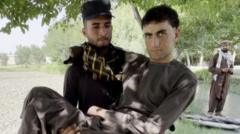
Afghan Migrants Describe Harrowing Experiences of Abuse
Afghan migrants attempting to reach Europe have come forward with disturbing testimonies regarding their treatment by Turkish authorities. These individuals report experiencing severe physical violence and exposure to extreme cold weather conditions that resulted in permanent injuries, specifically frostbite affecting their extremities. The accounts highlight a troubling pattern of alleged abuse targeting vulnerable populations seeking better opportunities abroad.
According to statements gathered from affected individuals, the treatment they received while in Turkish custody included violent beatings using metal implements. Multiple migrants describe being stripped of their clothing in sub-zero temperatures while having their hands restrained, creating conditions that led to tissue damage from prolonged exposure to freezing cold.
Details of Alleged Mistreatment and Violence
The young men claim they were subject to coordinated physical assault using iron rods and similar metal weapons. These alleged attacks occurred while the migrants were in a vulnerable state, having been detained by authorities during border enforcement operations. The timing of such incidents, combined with deliberate exposure to winter conditions, suggests an intentional pattern rather than isolated incidents.
Freezing Conditions and Physical Injury
Frostbite represents one of the most severe consequences reported by the Afghan migrants. This medical condition develops when skin and underlying tissues freeze due to prolonged exposure to freezing temperatures. In severe cases, frostbite can lead to permanent damage requiring amputation of affected digits and limbs. Several migrants have indicated they sustained injuries resulting in partial or complete loss of fingers, toes, and other extremities while under the supposed care of Turkish law enforcement.
The Stripping and Restraint Allegations
A consistent element across multiple testimonies involves being forcibly stripped of protective clothing. Turkish police officers allegedly removed the migrants' garments while keeping them outdoors in winter conditions. Additionally, witnesses describe having their hands tied or bound, preventing them from protecting themselves or seeking shelter. This combination of factors—loss of clothing, restrained movement, and exposure to freezing temperatures—created dangerous conditions that directly contributed to frostbite development.
Context of Migration Routes Through Turkey
Turkey serves as a crucial transit point for Afghan refugees and migrants seeking passage to Europe. Thousands of individuals attempt the dangerous journey annually, often facing exploitation, trafficking risks, and dangerous border conditions. The allegations emerging from Afghan migrants add another layer of concern regarding the treatment of vulnerable populations passing through Turkish territory.
The European route remains attractive despite documented risks because migrants perceive opportunities for improved living conditions and economic stability. However, the journey involves traversing treacherous terrain, crossing mountains in winter, and navigating international borders during enforcement operations. Turkish police involvement in border enforcement creates potential flashpoints where migrants may encounter authorities.
Implications for Humanitarian Standards
These allegations, if substantiated, would represent serious violations of international humanitarian law and basic human rights standards. The use of violence against detained individuals and intentional exposure to life-threatening environmental conditions contravene the United Nations Convention Against Torture and other foundational human rights instruments.
The specific targeting of young migrants fleeing war and economic hardship raises questions about proportional enforcement practices. While nations maintain legitimate authority to control borders, such enforcement must occur within legal frameworks that protect fundamental human dignity and prevent torture or cruel treatment.
Medical and Long-term Consequences
Frostbite injuries sustained during the alleged incidents have resulted in permanent disabilities for affected migrants. Loss of limbs and digits severely impacts individuals' ability to work, support themselves, and maintain independence. Young men who required amputations face lifelong challenges adjusting to physical limitations, accessing prosthetic services, and rebuilding their lives.
Many affected migrants remain in Turkey without adequate access to medical care or rehabilitation services. The combination of psychological trauma from abuse and physical disability creates complex needs requiring specialized support that may exceed available resources in border communities.
Future Concerns and Regional Implications
The testimonies from Afghan migrants experiencing alleged brutality in Turkey raise broader concerns about migration enforcement practices across multiple nations along established migration routes. If similar patterns occur elsewhere, vulnerable populations face compounded risks beyond those inherent in long-distance migration through dangerous terrain.
Documentation of these incidents contributes to accountability mechanisms and may influence international scrutiny of border enforcement practices. Human rights organizations continue monitoring reports from migrants transiting through Turkey, compiling evidence for potential investigations and interventions aimed at preventing future abuses.


